China in seven days
I wanted to see where most of the world's gadgets get designed, built and sold. So: Shenzhen for the electronics, Guangzhou for the Canton Fair, and a few hours in Hong Kong on the way home.
Why Shenzhen feels like the future
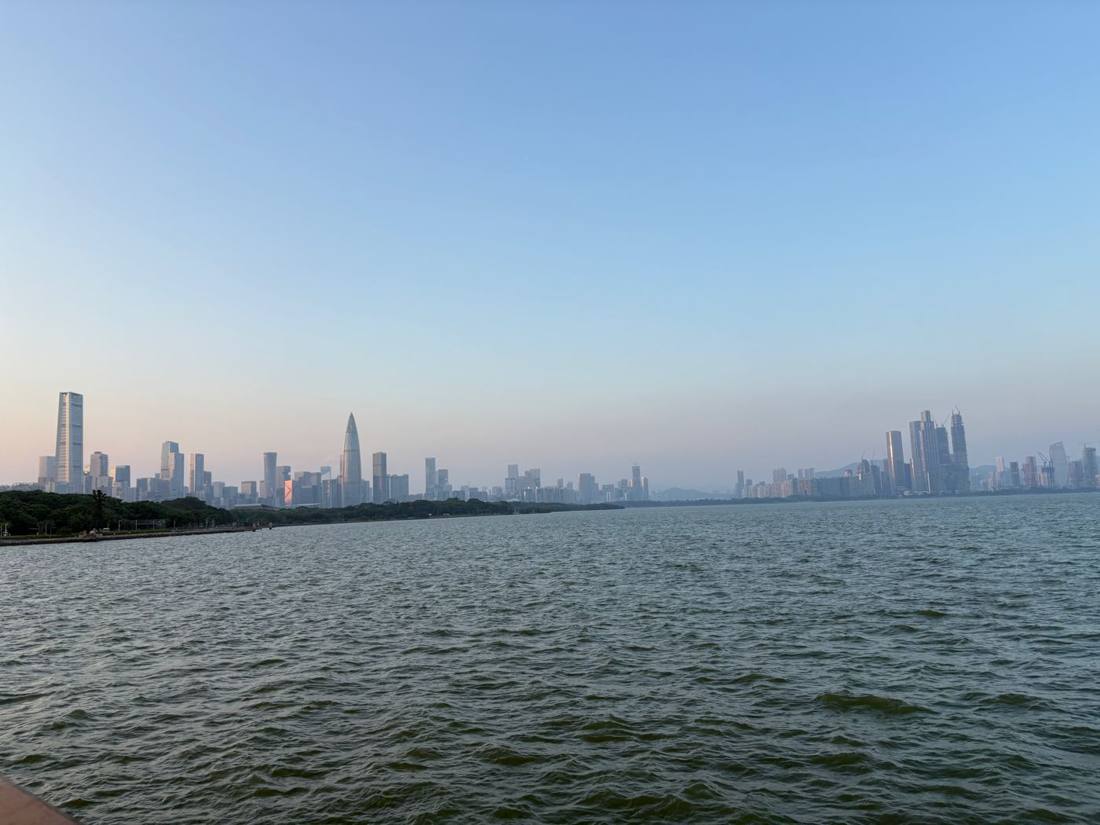
Forty-odd years ago Shenzhen was a small border town. Now it's a city of 17-plus million and pretty much the hardware capital of the world. Huawei, Tencent, DJI and BYD all started here. The buses and taxis are electric and the whole skyline went up in one generation.
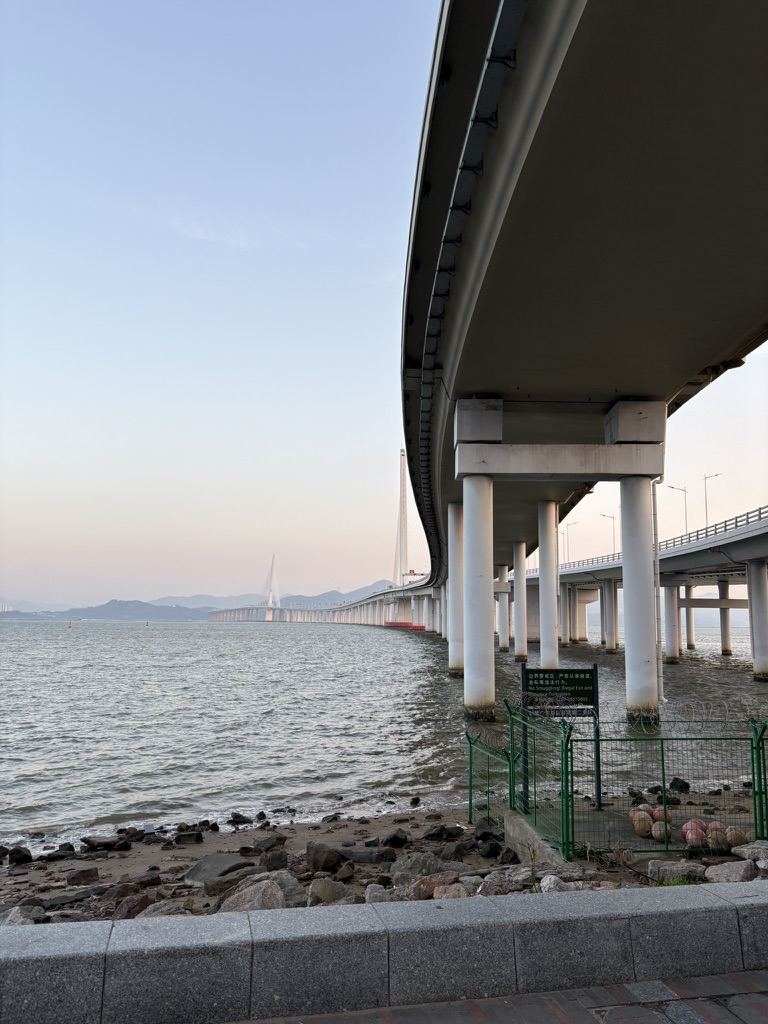
The thing that hit me first was the physical scale. Back home we see financial scale and digital scale. Here you see it with your eyes: towers in every direction. The architecture is bold, and a lot of buildings have a shape of their own, maybe because so much of the city is new. And at night everything lights up, right down to the charging cables in some of the cabs.
A village of painters
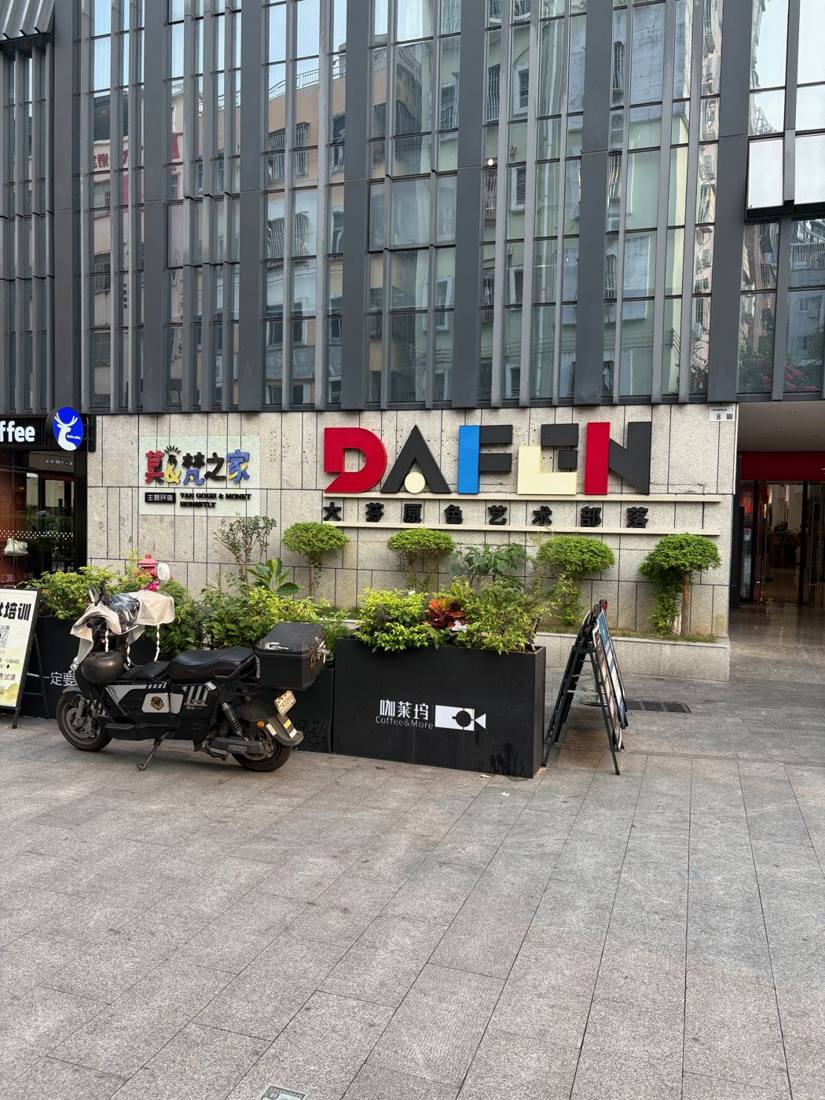
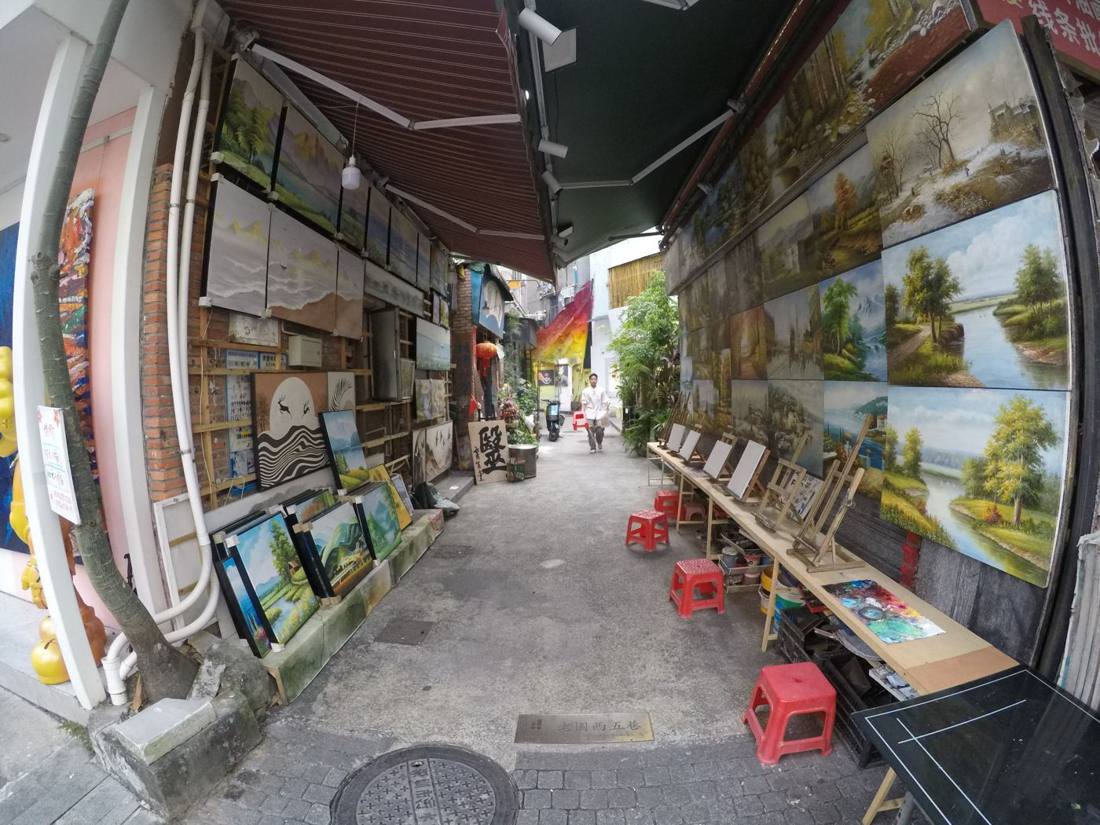
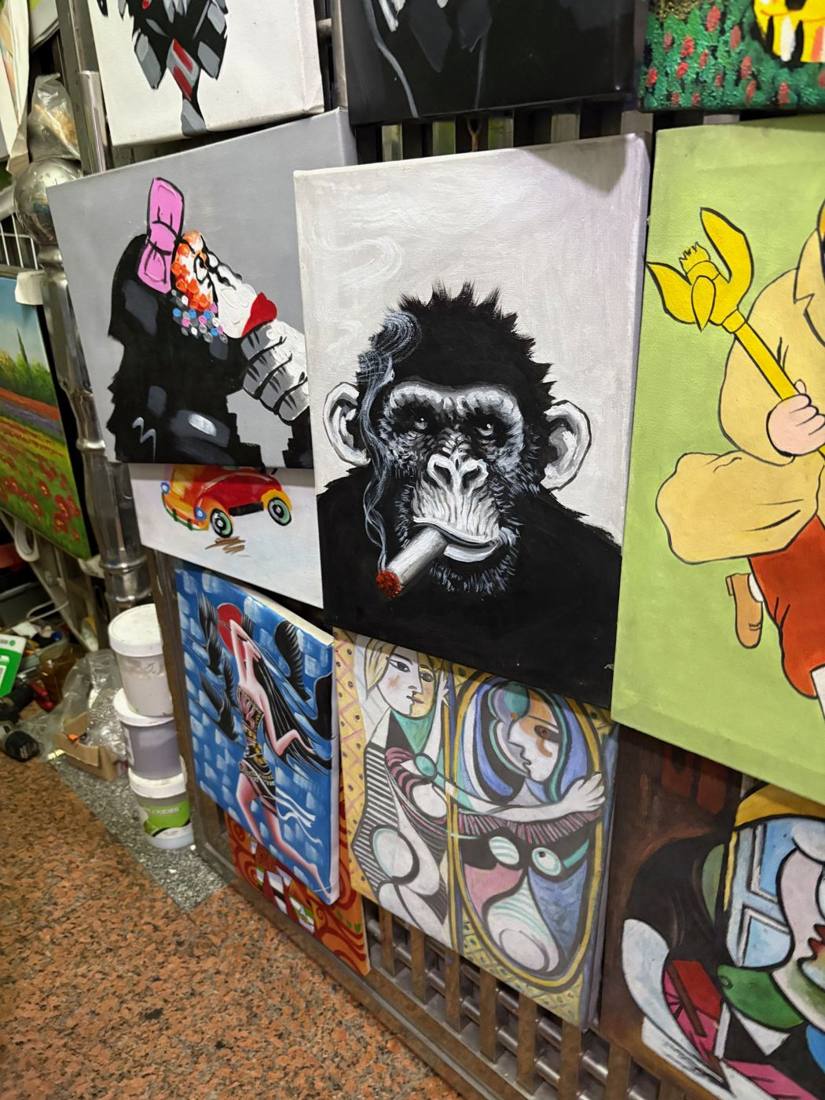
First afternoon, I went to Dafen. It's an entire village of artists painting oil canvases and shipping them all over the world. I was on a budget, so I walked around and haggled a bit before buying. I came home with three paintings on five canvases (one is a triptych) for about $130. For one of them I just showed the artist a photo, and he had it painted in a couple of days.
Buying was the easy part. Getting everything to fit in a tube I could fly with, and delivered to my hotel, took a lot more back and forth.
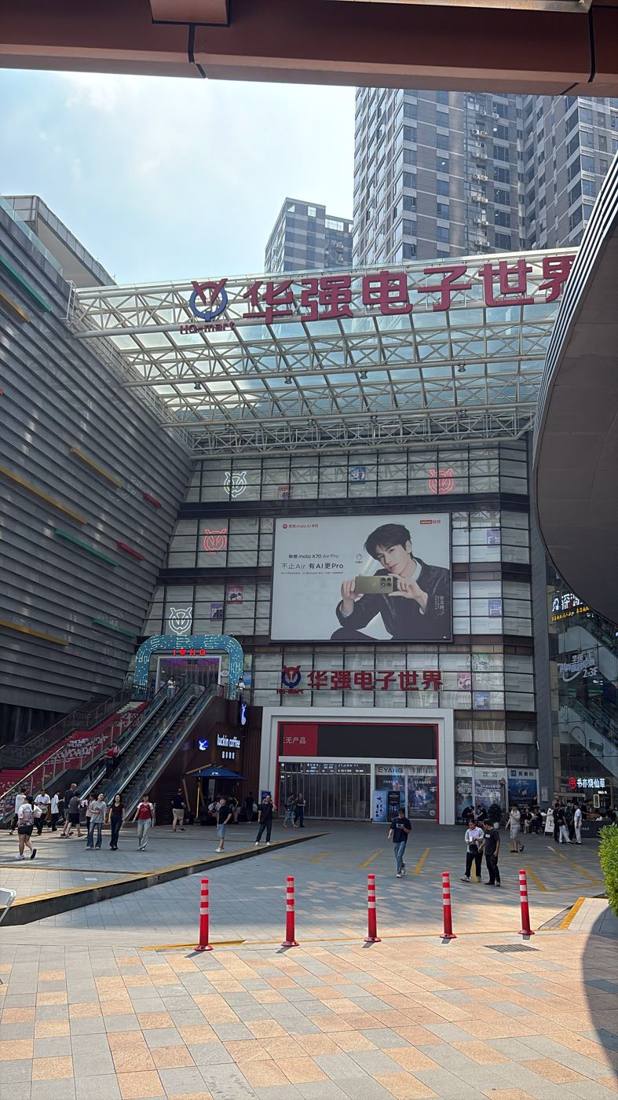
Huaqiangbei: a district, not a market
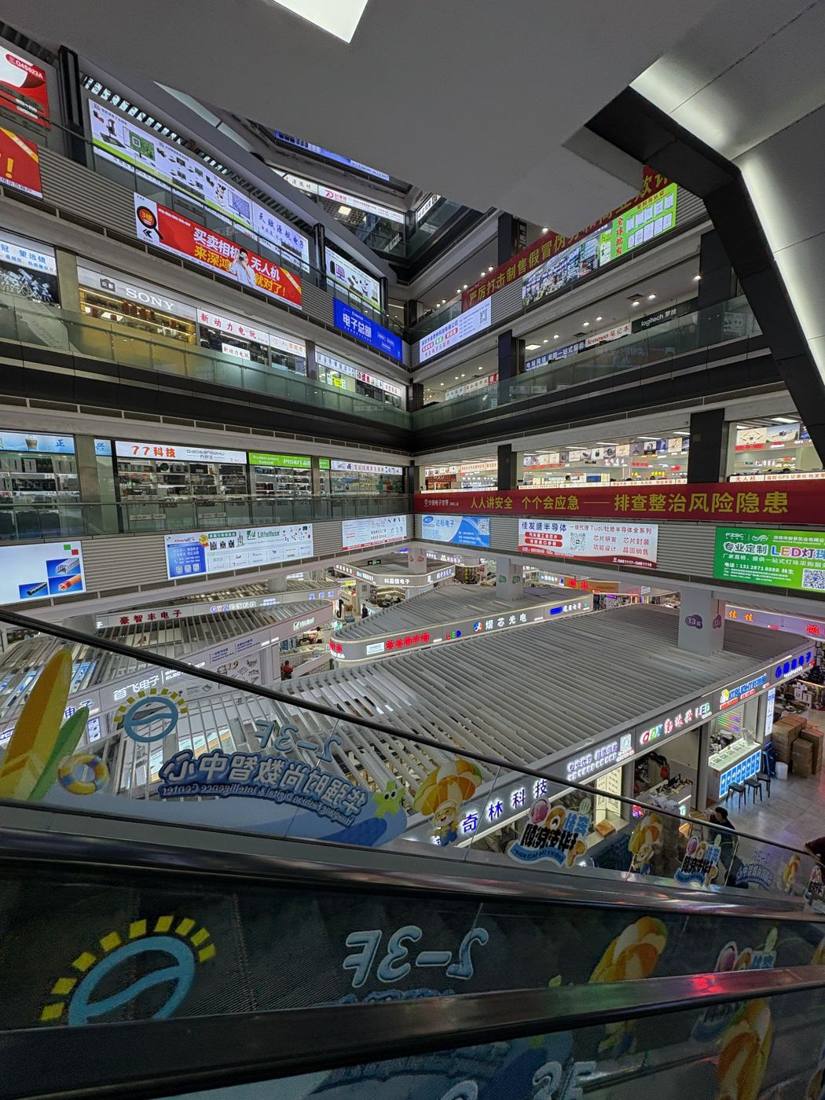
I spent most of the day in one building with seven floors of electronics. Then I found out it's one of about 75 buildings in the area, with 35-odd specialised markets, all packed into about a square kilometre and a half. Over 100,000 businesses trade here, and close to 800,000 people come through every day. That's like filling the world's biggest cricket stadium six times over, daily.
The general stores all sell the same stuff: power banks, hair dryers, massagers, phone holders, cameras, toys. The specialist ones go deep on one thing. One shop is only photography gear. Another is only walkie-talkies. Anything with a Western brand has a lookalike: AirPods, AirPods Max, Bose. AI glasses for $30–50, and AI translators on every other counter. Whether any of it is good is another question.
I tried out a few drones too, but didn't buy one. Canada has rules for drones over 250 g, and on something that expensive there'd be no warranty back home.
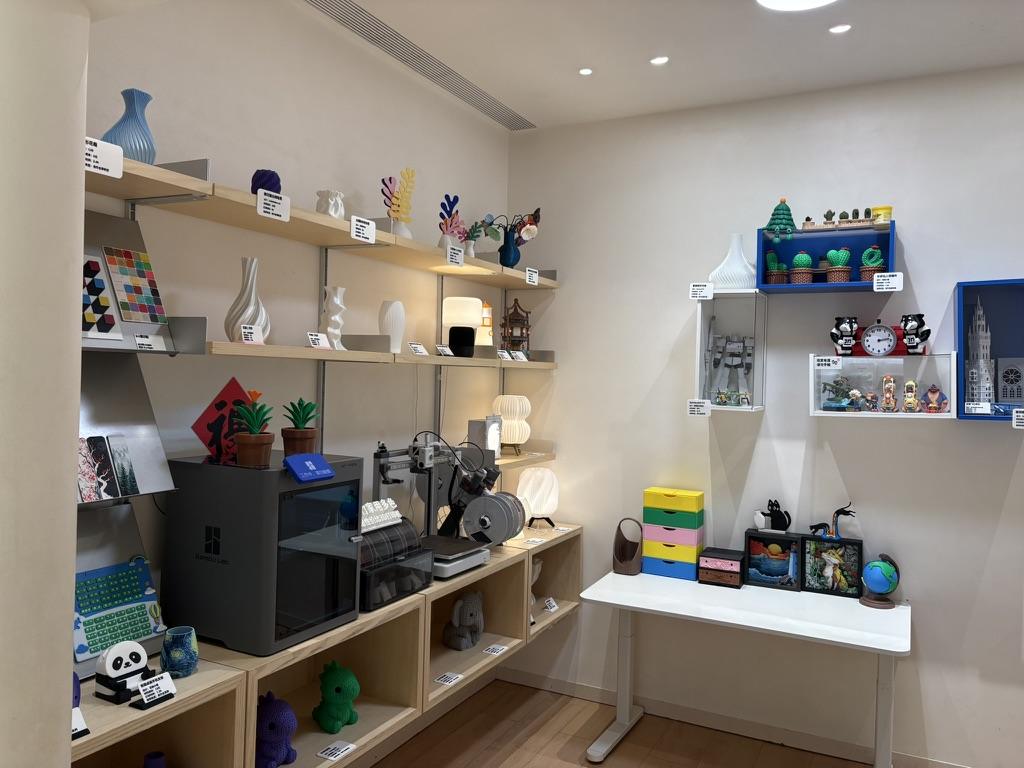
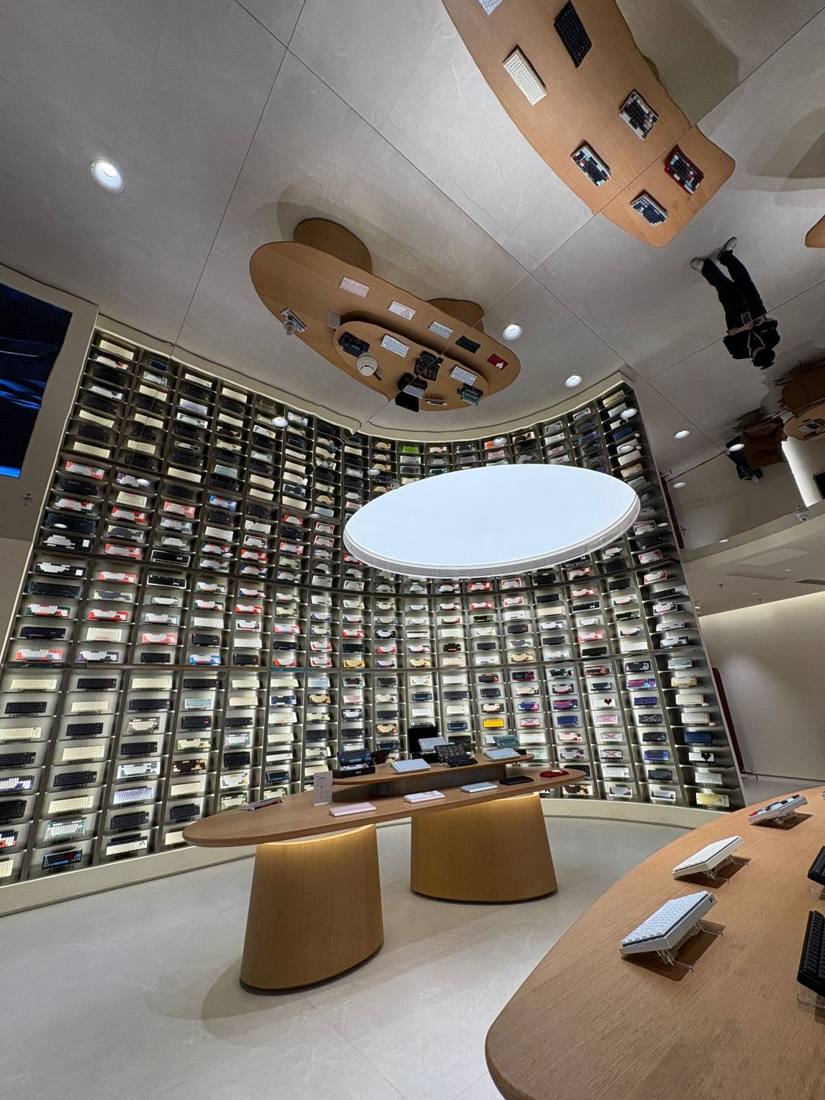
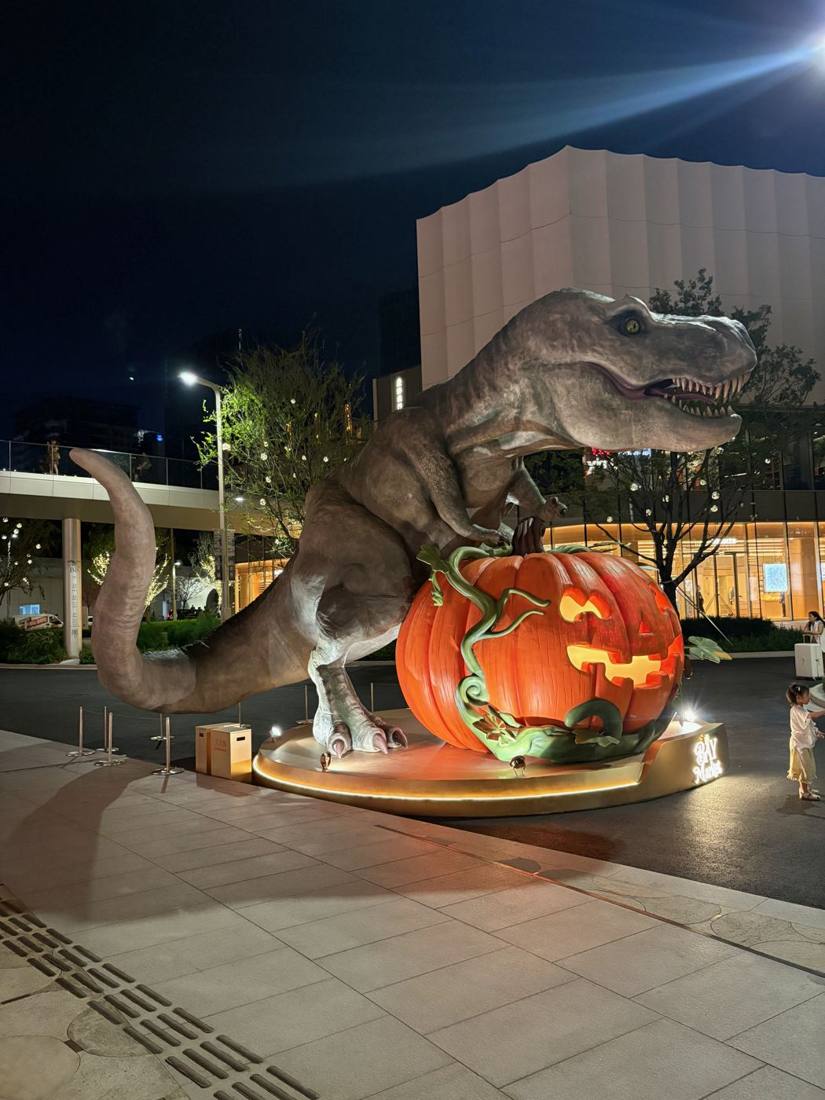
In the evening I went to Shenzhen Bay MixC, the fancy end of town. Bambu Lab, the 3D-printer company, has its flagship there, and right next door is a shop that sells nothing but mechanical keyboards.
An old town and the waterfront
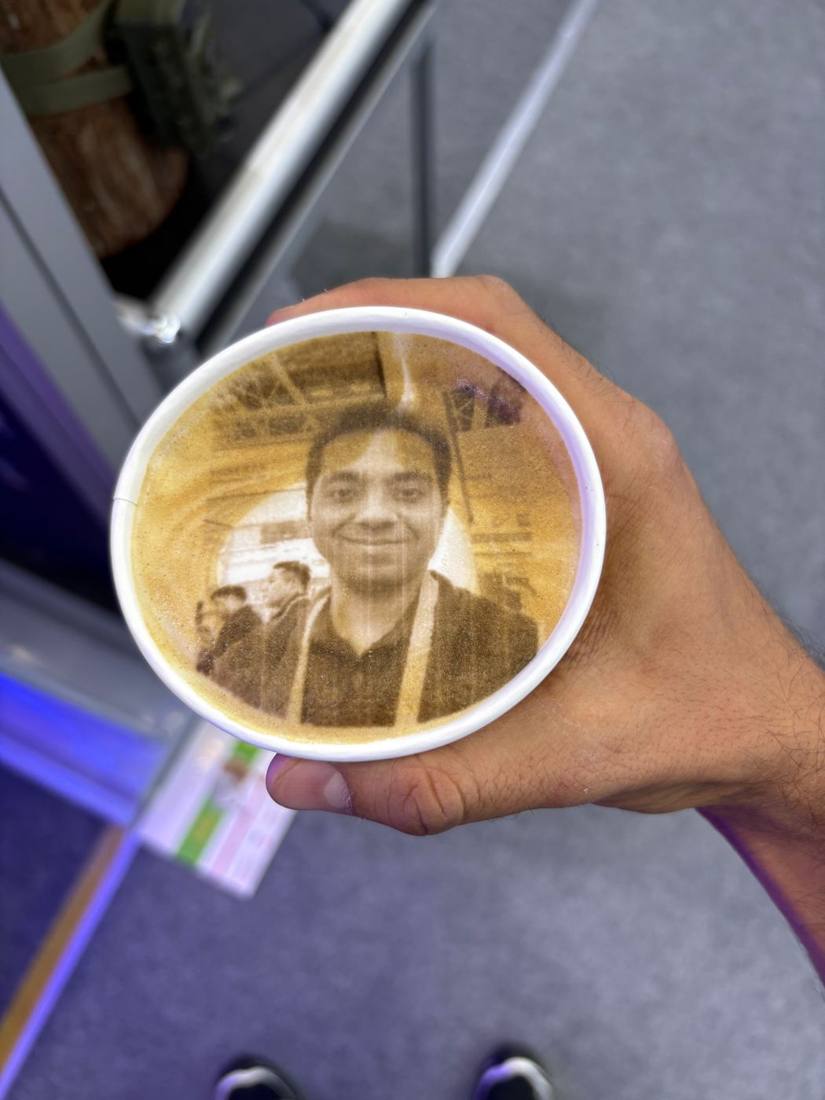
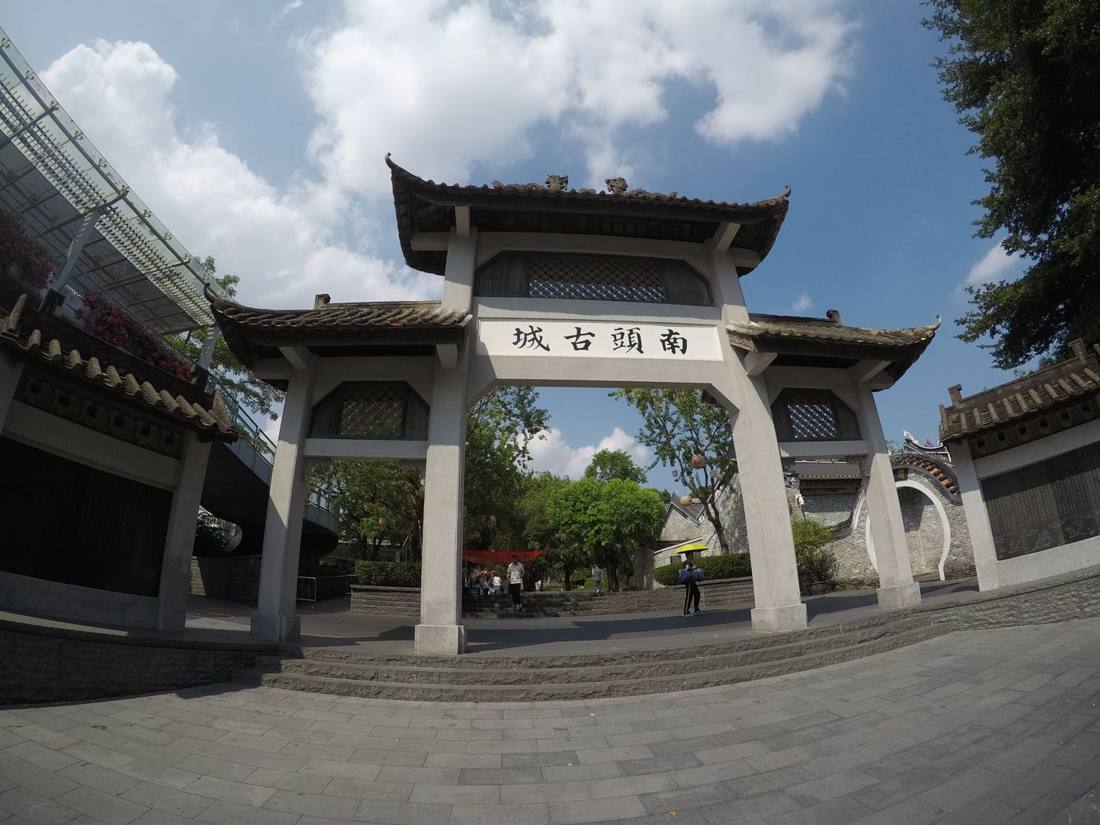
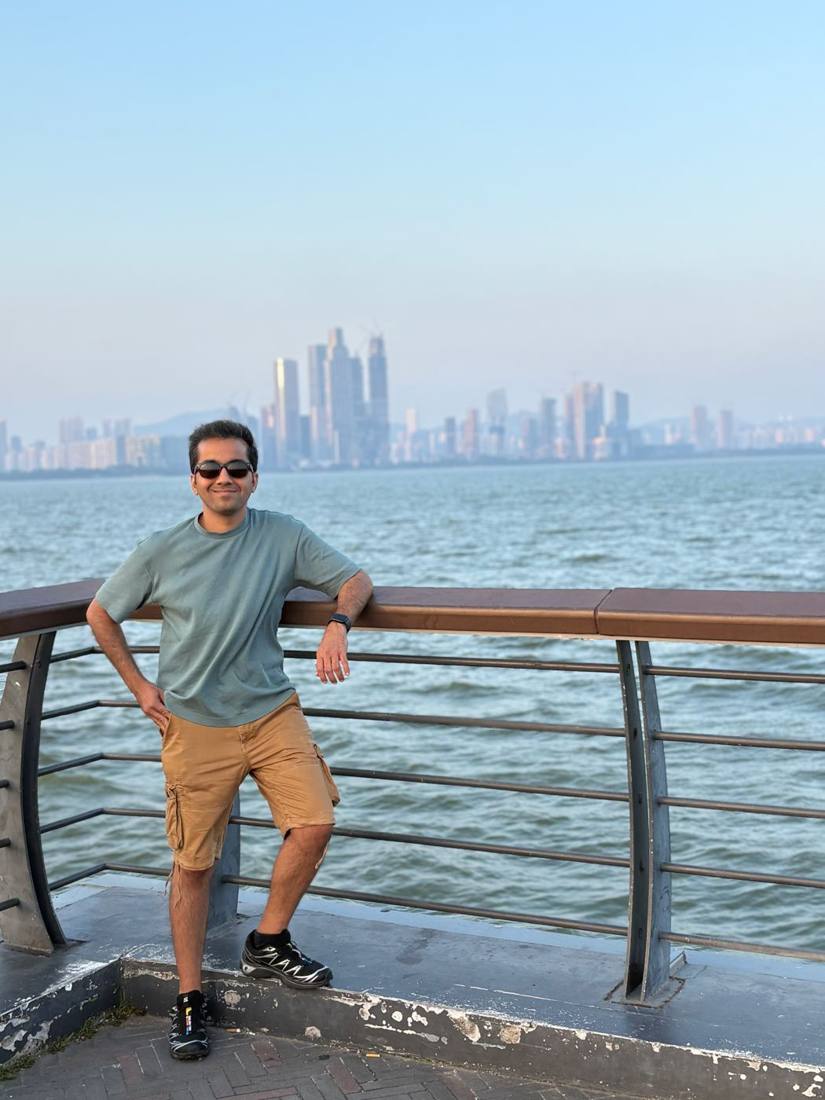
Nantou Ancient City was the seat of local government long before anyone thought of Shenzhen as an electronics city. Now it's lanes of cafés and small shops. Then a long walk along Shenzhen Bay Park, with the skyline on one side and Hong Kong across the water. Even there, a coffee machine made my drink, put the lid on and handed it over.
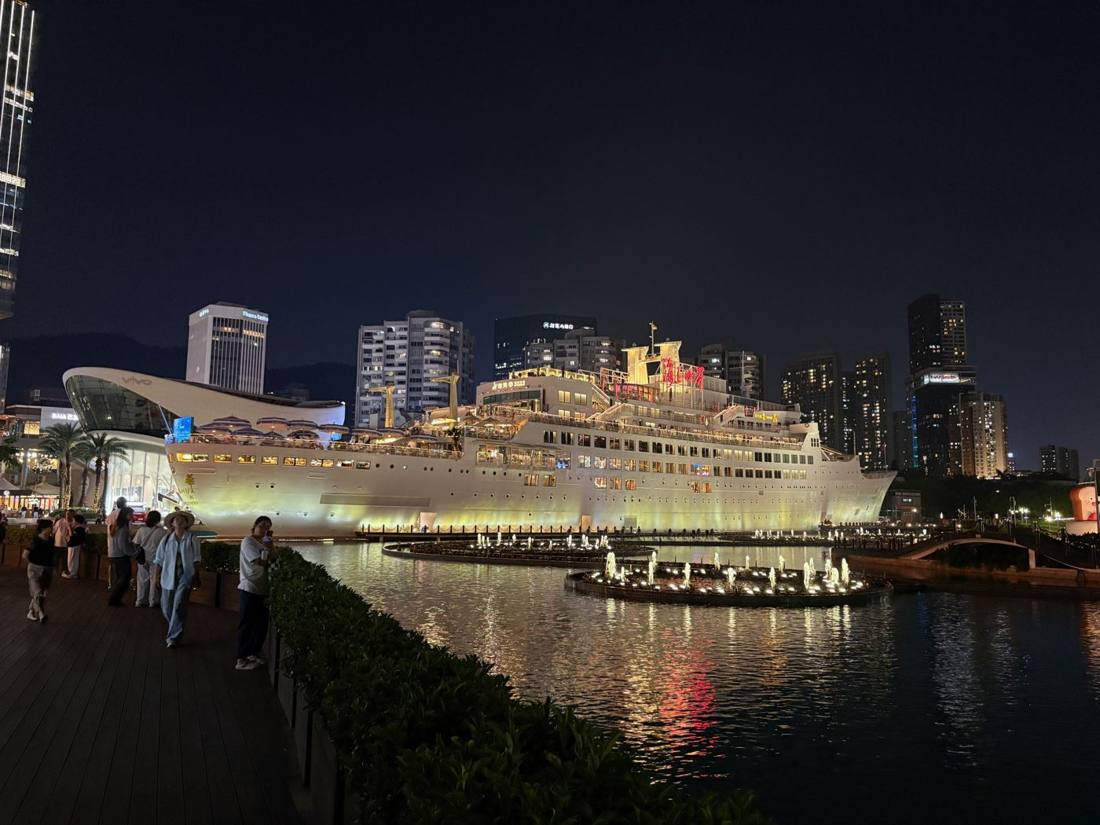
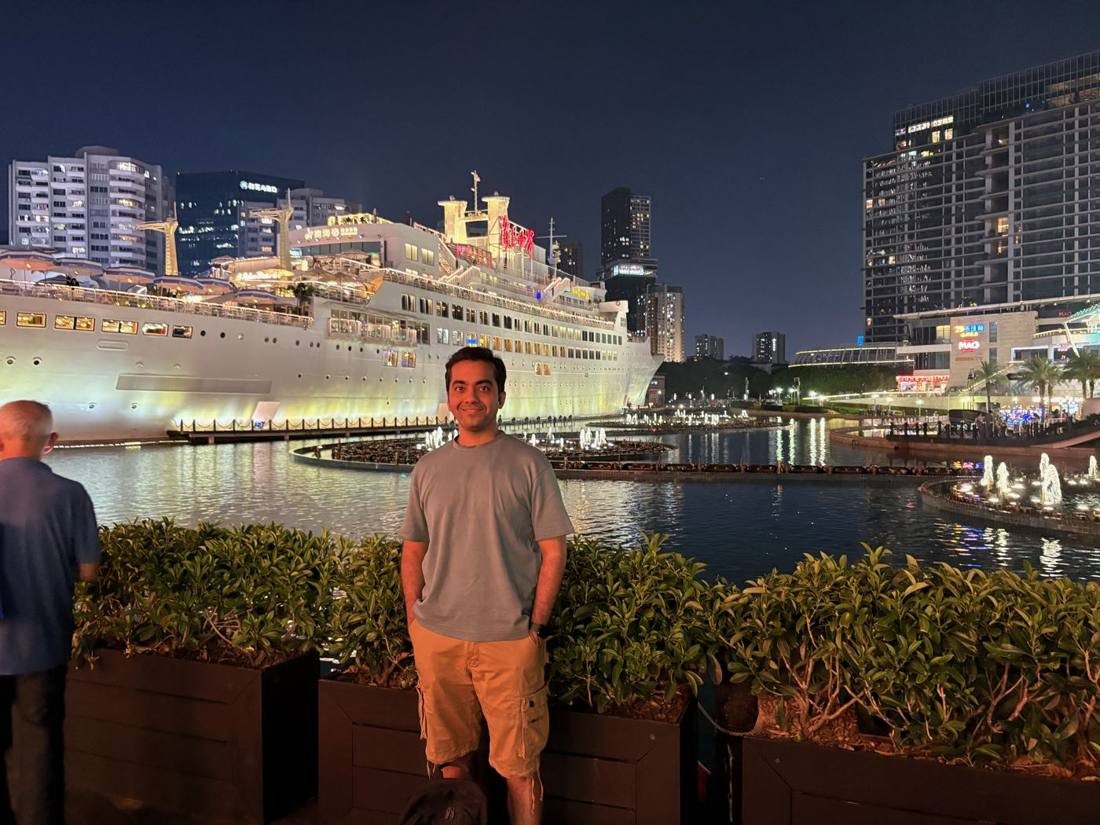
Dinner was at Sea World in Shekou, a plaza built around the Minghua, an old French liner (once the Ancerville) that has sat there since 1983. There's a fountain show every half hour.
Everyday futurism
Coming back, Canada felt like it runs at a gentler pace, and seems quite happy that way.
Paying and getting around
Every shop asks "Alipay or WeChat?". You scan their code or they scan yours. I took out cash at the airport and never spent a single note. If you're heading to China, I'm selling yuan.
Alipay works with face scan. You look at the screen and it's paid.
Messaging, payments, cabs, food, hotel check-in, and a mini-app for almost every shop.
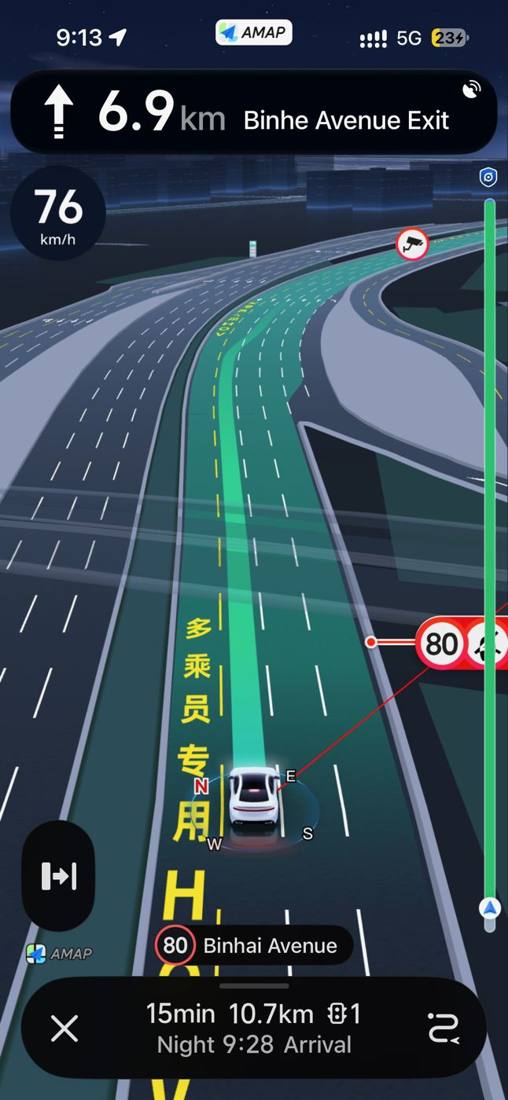
Amap Global shows which lane the cab is in and when to move over for the next bridge. Every cab stopped exactly where I was standing.
A basic ride was about $5 CAD at most. The cars were electric and spotless.
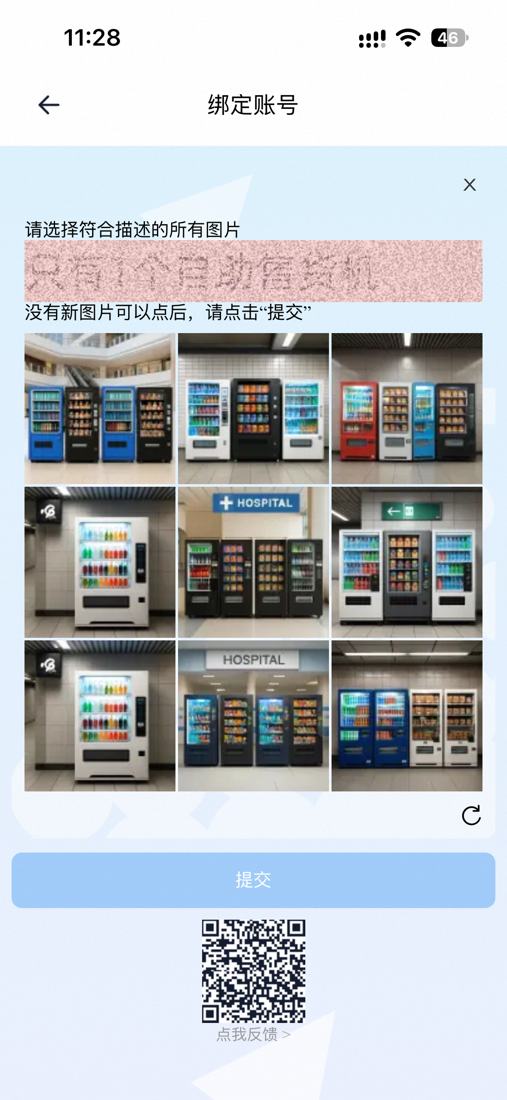
Signing up for apps was a struggle. Some captchas are in Chinese only, and even translating them was hard. And many WeChat mini-apps have no English at all.
Scan a code at a kiosk in a shop or café, take a charged power bank, and drop it back at any other kiosk.
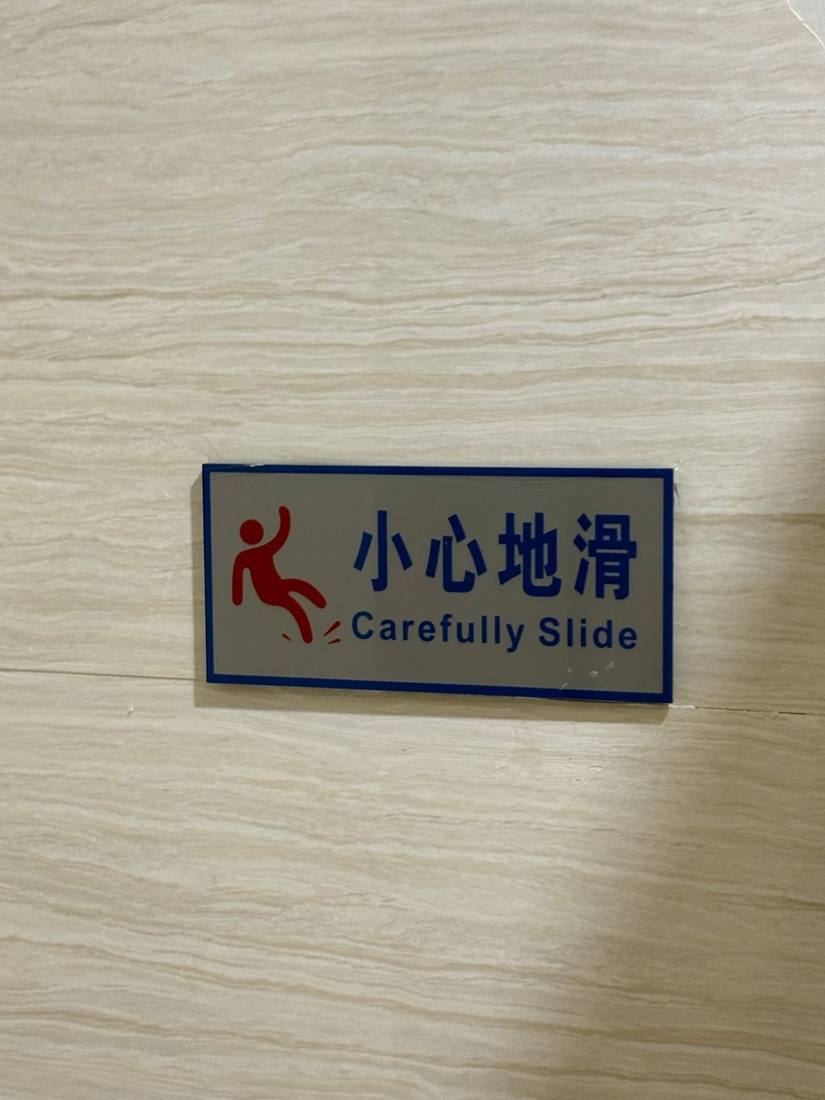
On the street
In the hotel, room delivery came by robot. It rode the elevator up on its own, called the room, and opened its lid when I stepped out. Apparently some subway vending machines work the same way with your face: open the door, grab a drink, close it, and you're charged.
Every two-wheeler is electric and lots of them ride on the sidewalk. Look over your shoulder before you turn.
People smoke everywhere, and there's a smell of smoke hanging over a lot of the city.
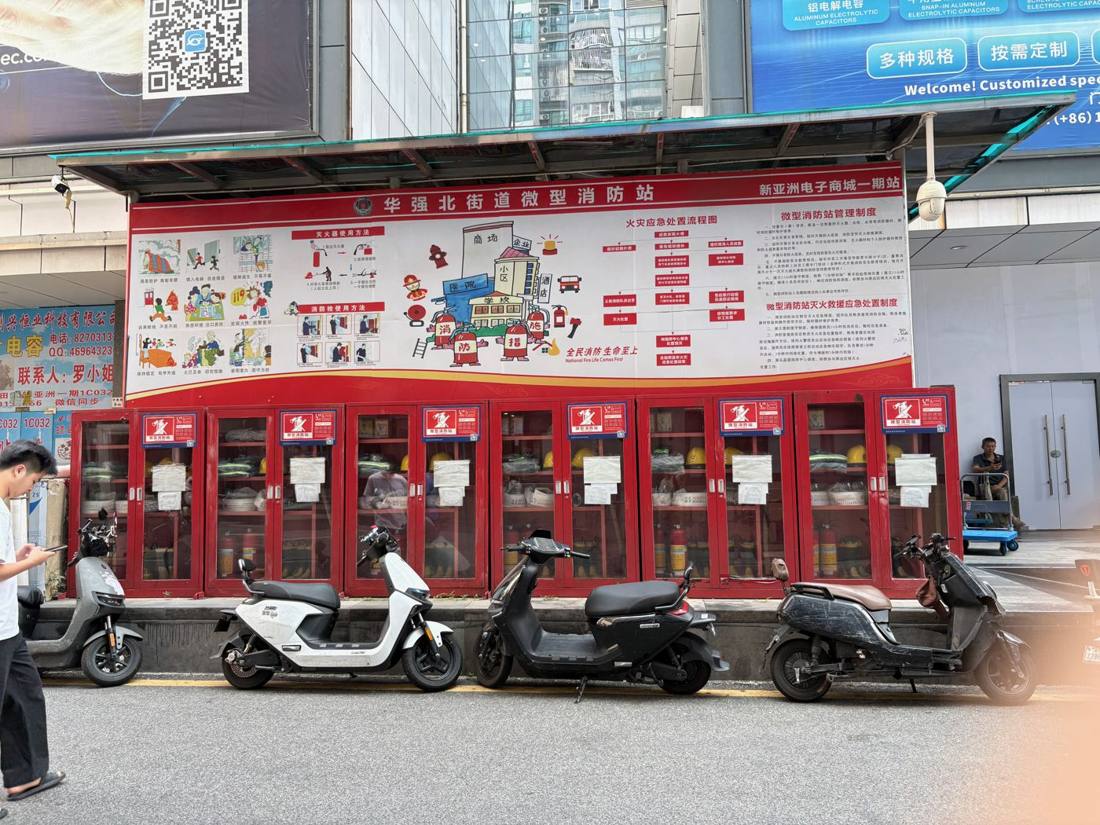
Fire kits in hotel rooms and big emergency cabinets on the street. Maybe it's all the electronics, maybe the smoking.
Estimates run from about 540 million to 700 million cameras in China, roughly half the world's surveillance cameras. Even a quiet lane seems to have two or three.
Every few hundred metres there's a rack (防暴应急装备架) with a shield, a restraint fork and sometimes a baton, for security guards. They became common after a string of knife attacks in public places around 2014. To me they read as "this area is managed", not "this area is dangerous".
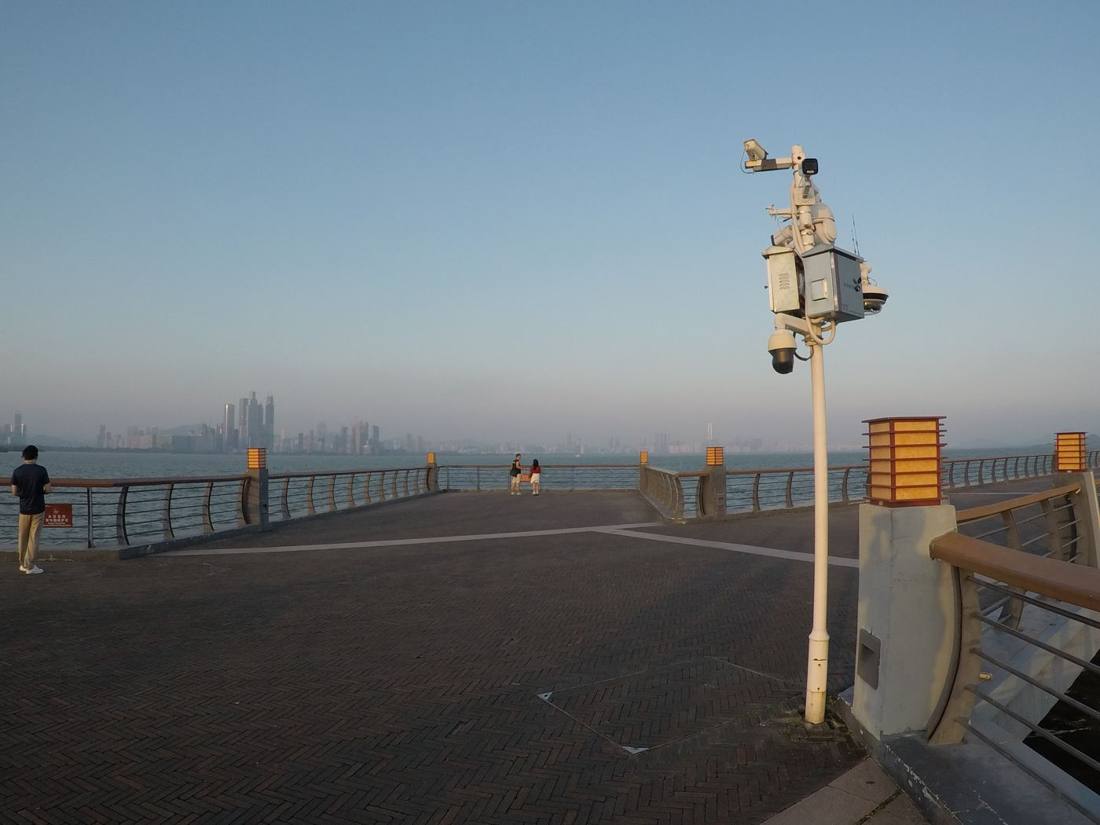
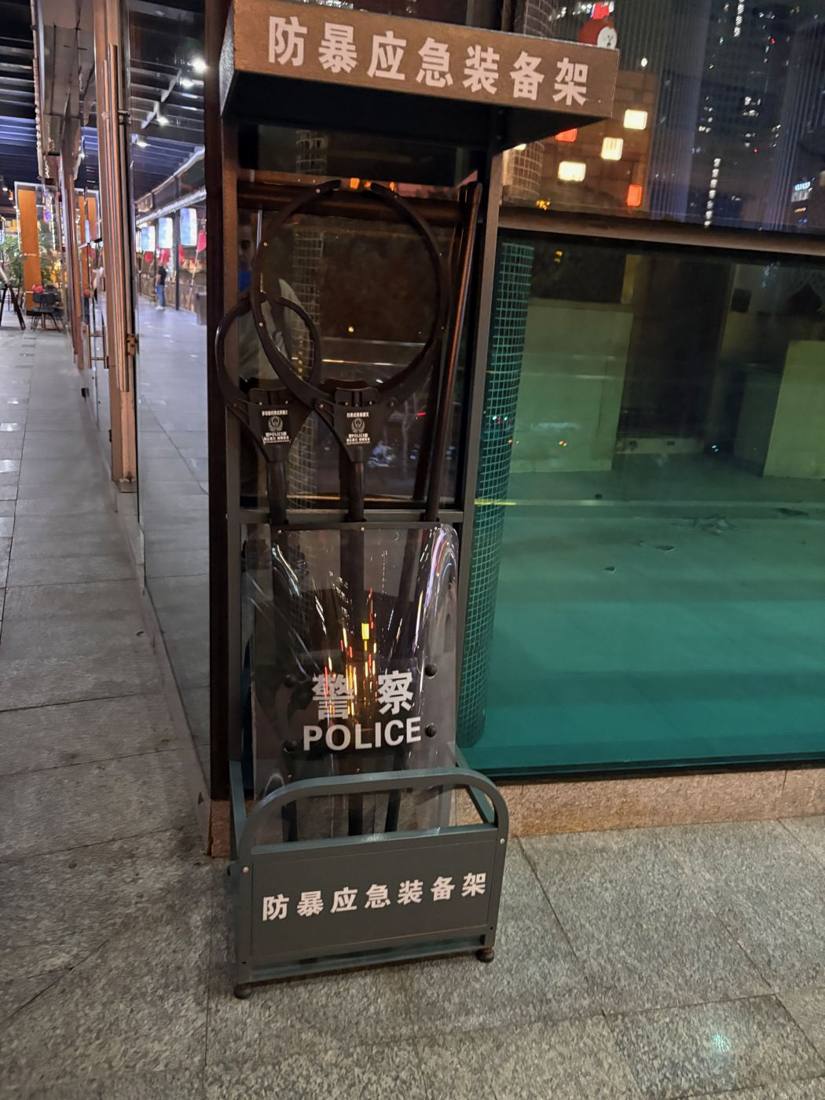
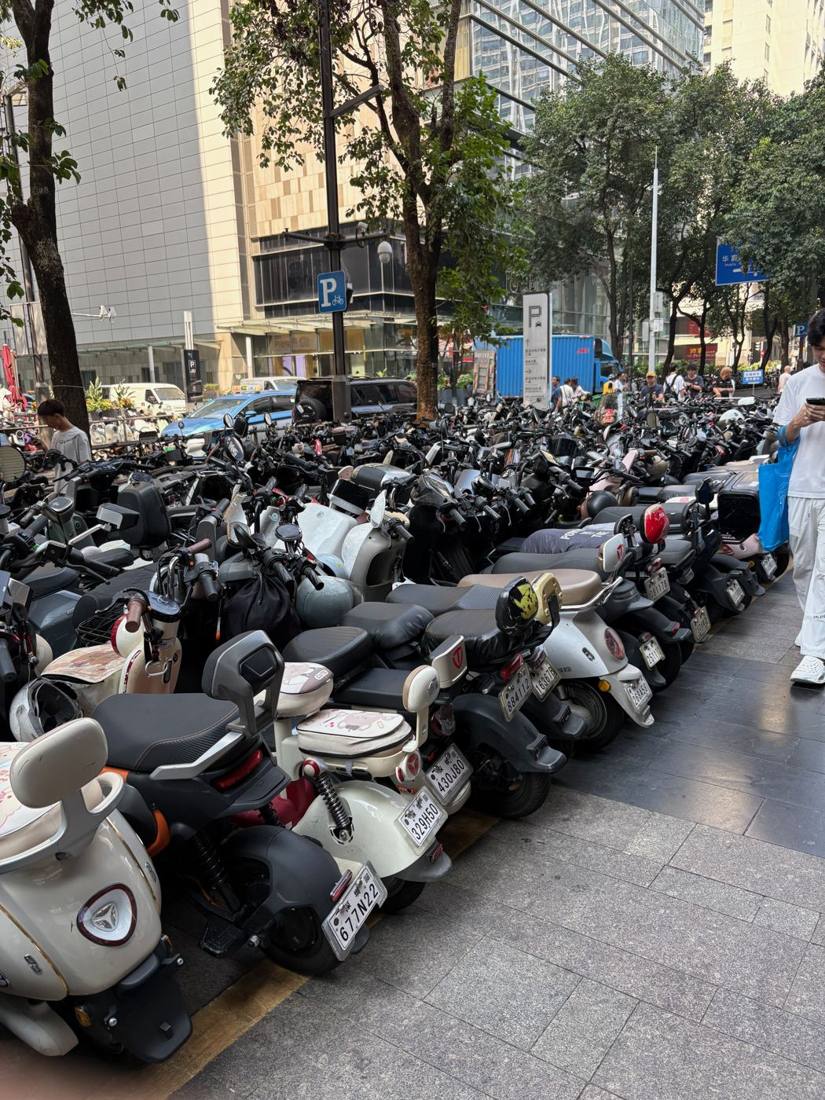
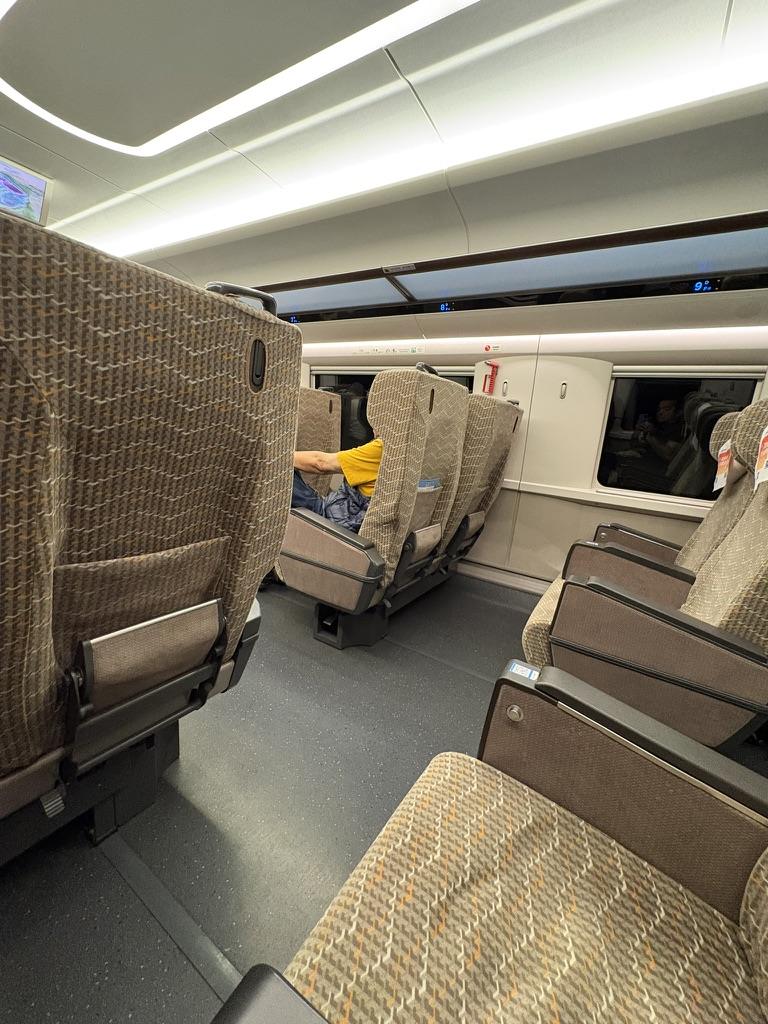
Shenzhen to Guangzhou by bullet train
First class cost about US$19. You get on, it leaves almost straight away, and it's clean, quiet and fast, with good views on the way.
The Canton Fair
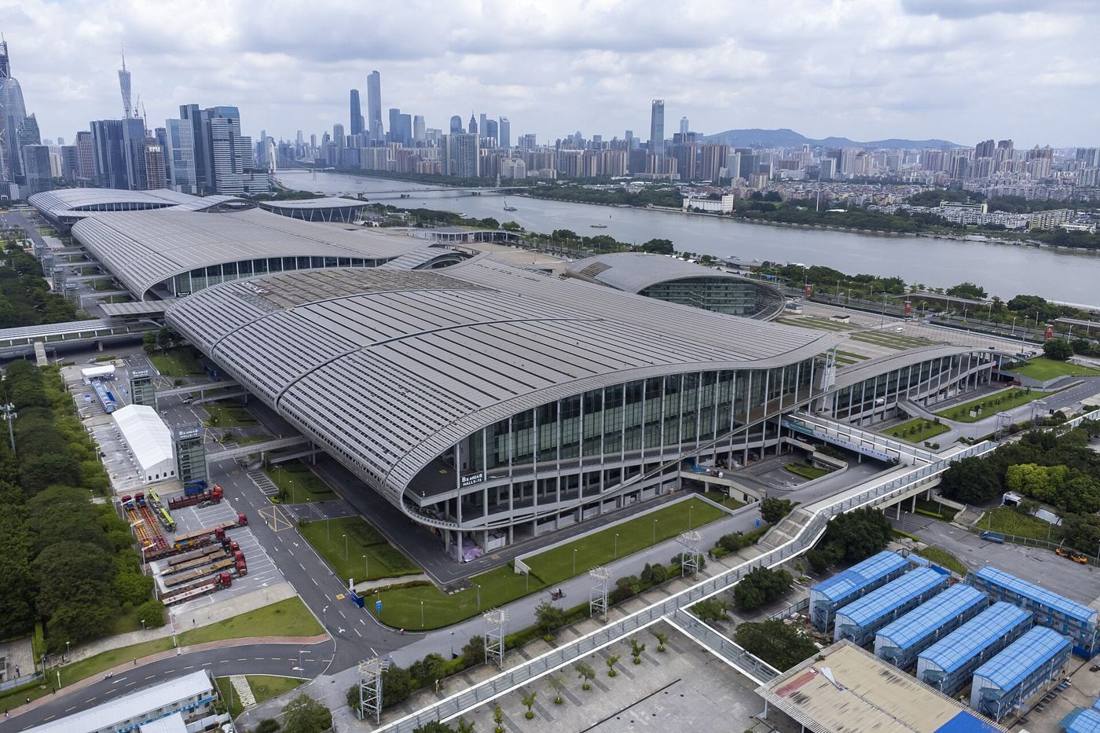
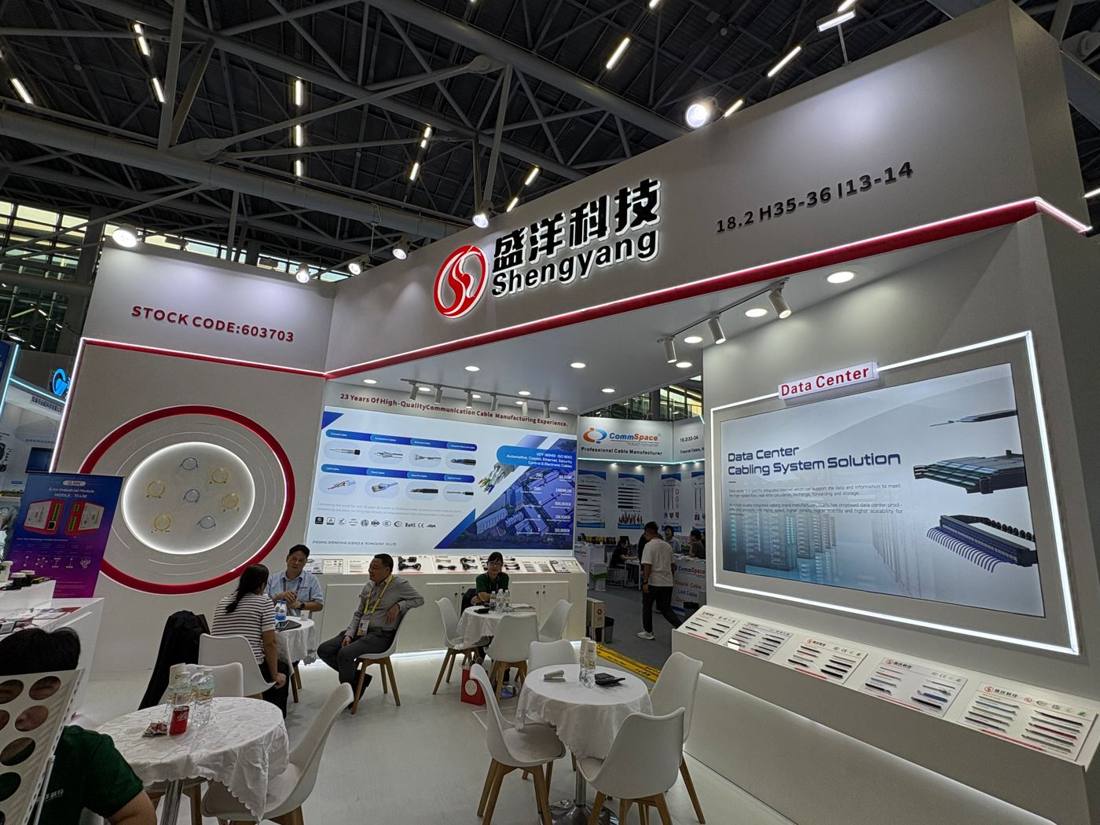
Picture five cricket stadiums joined together, three or four floors each, every inch filled with stalls. Each phase of the fair has roughly 25,000 booths. Spend a minute at each and you'd be there for over two weeks, nonstop.
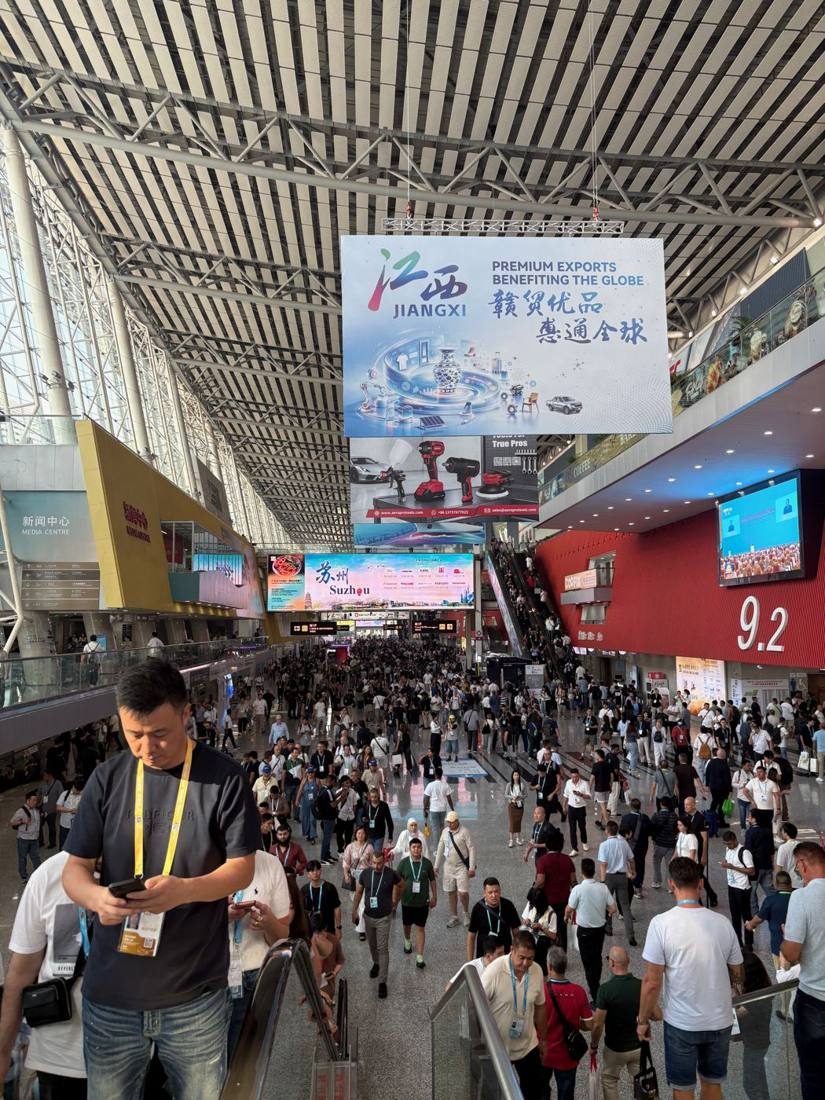
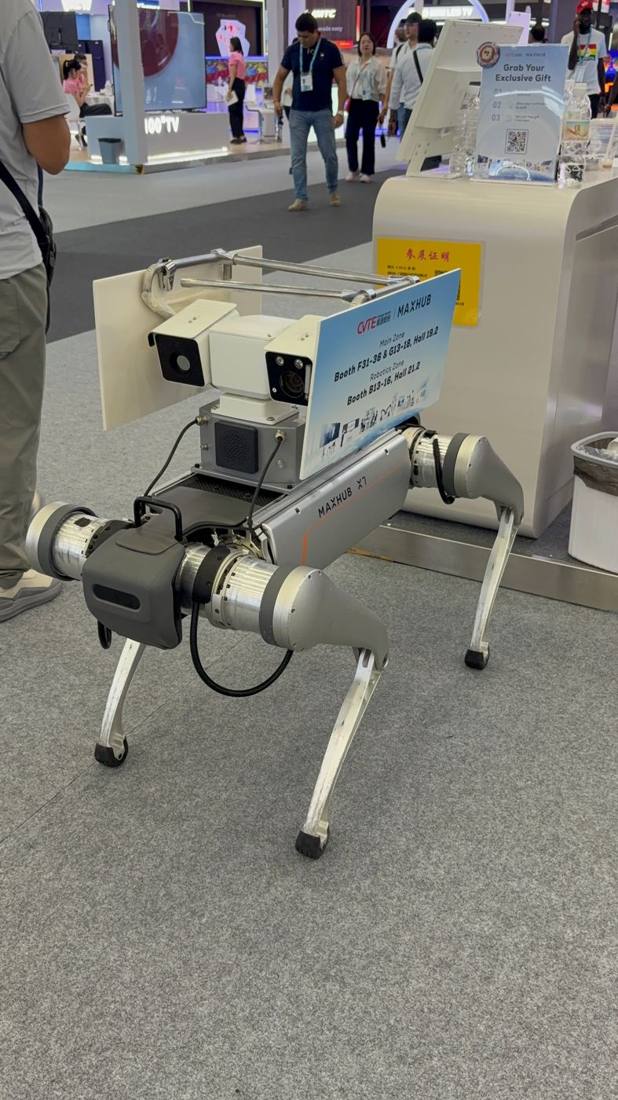
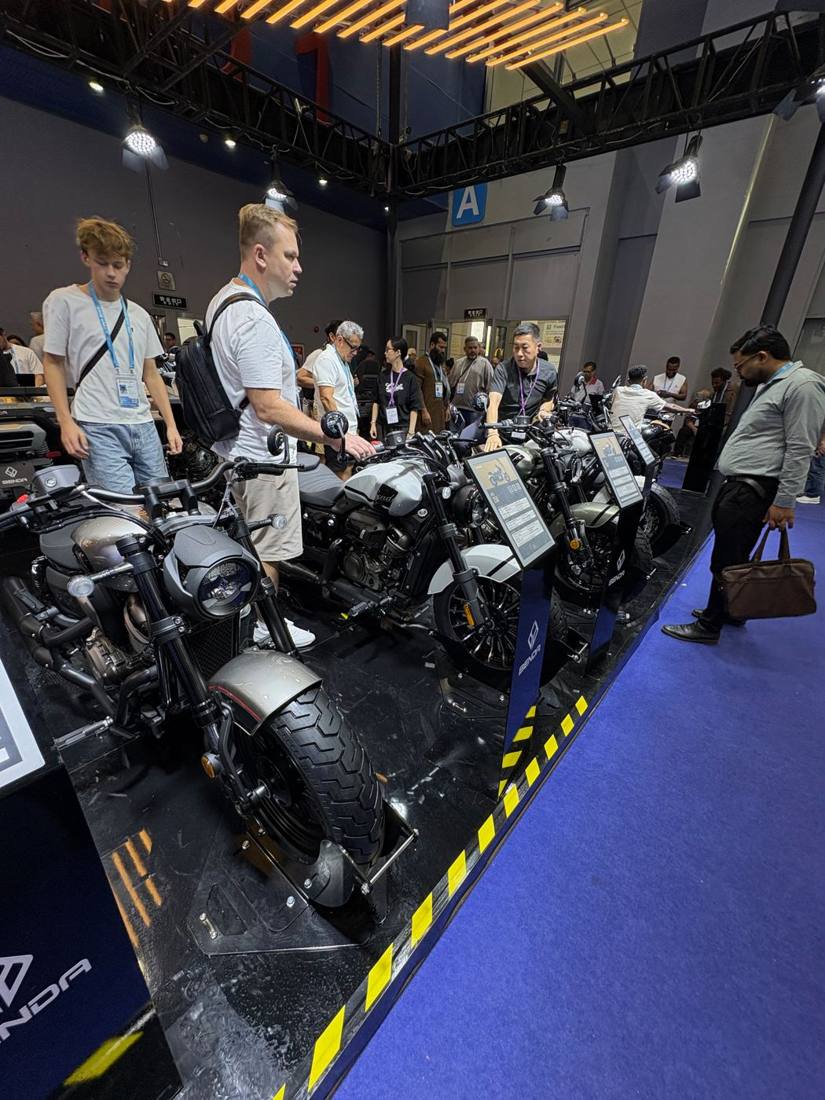
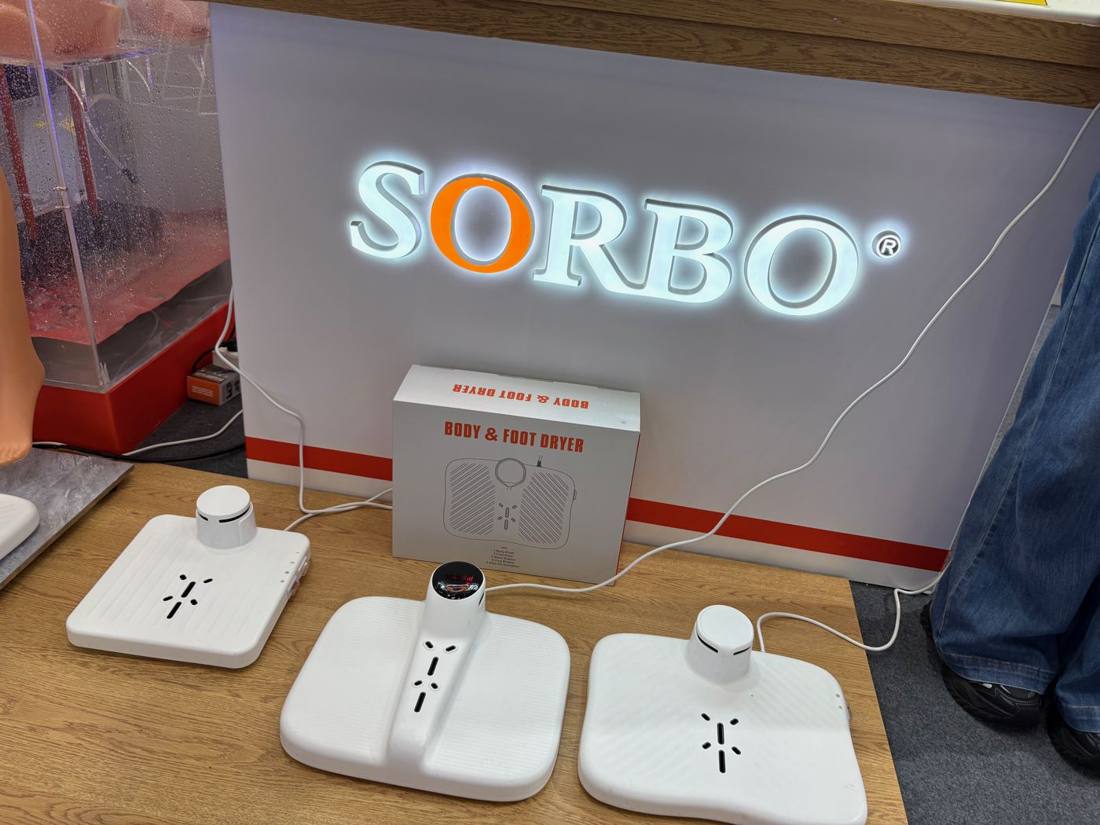
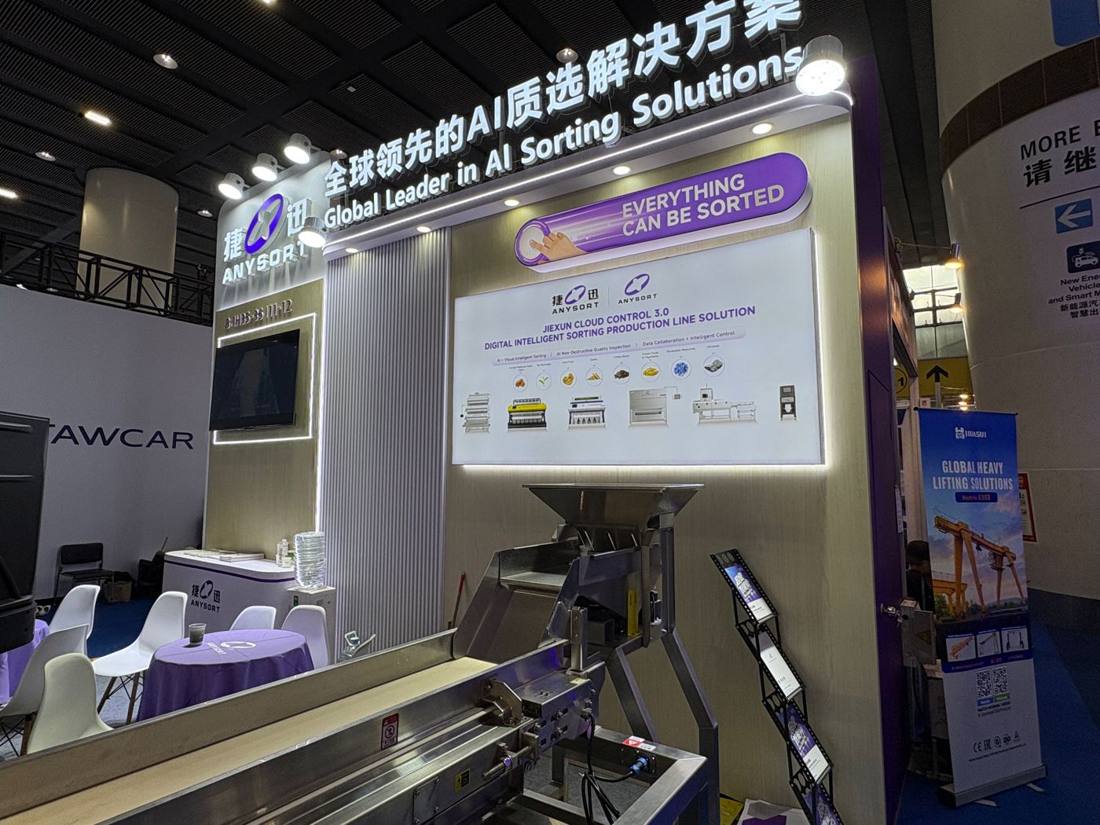
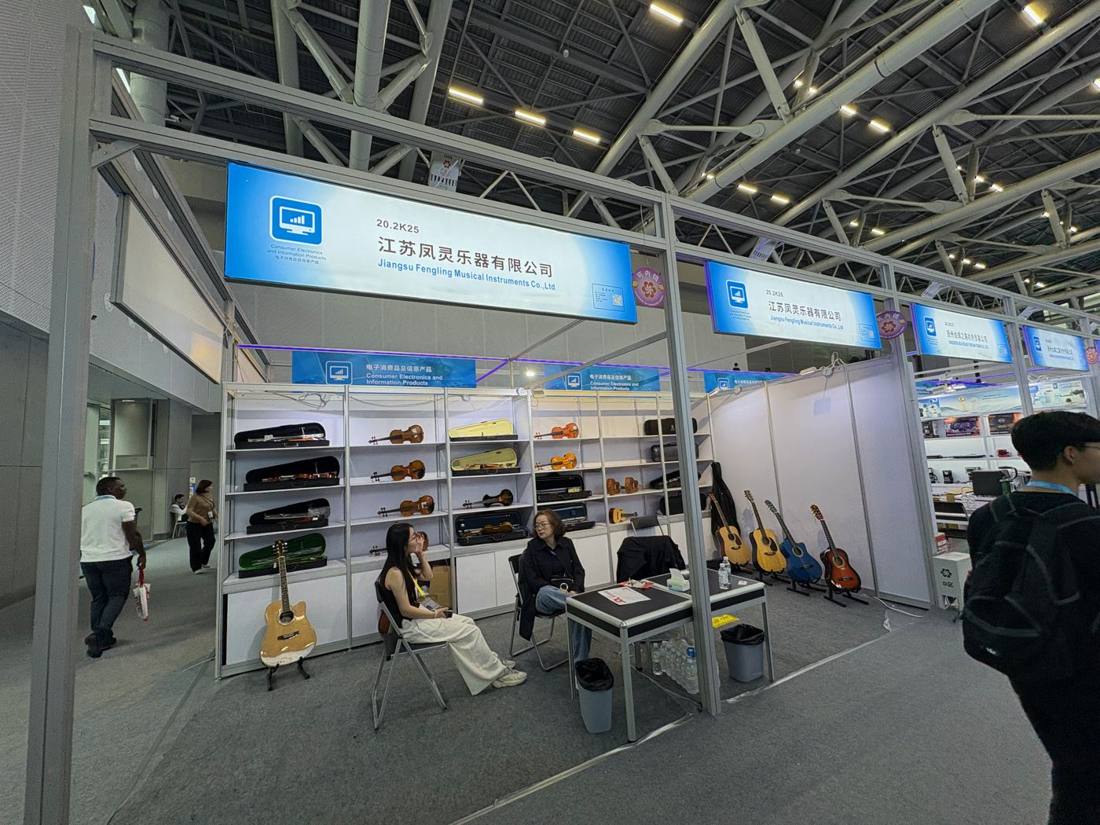
I went in the electronics and machinery phase. Heavy construction equipment, a whole floor of motorcycles, power banks, phones, massagers, torches. Robots making coffee and pouring drinks. Robot dogs everywhere. More drone companies than I could count, for farming, monitoring and security. Musical instruments, gaming rigs where you sit in a plane with a VR headset on, smart nail printers, and a stall selling only data-centre cabling.
Inside a factory
Everyone said: go see a factory. I emailed a few and one wrote back, a company that makes kitchen drawer slides. They looked a bit surprised when one guy showed up instead of a delegation. The floor was spotless, there were very few people, and the machines did almost everything.
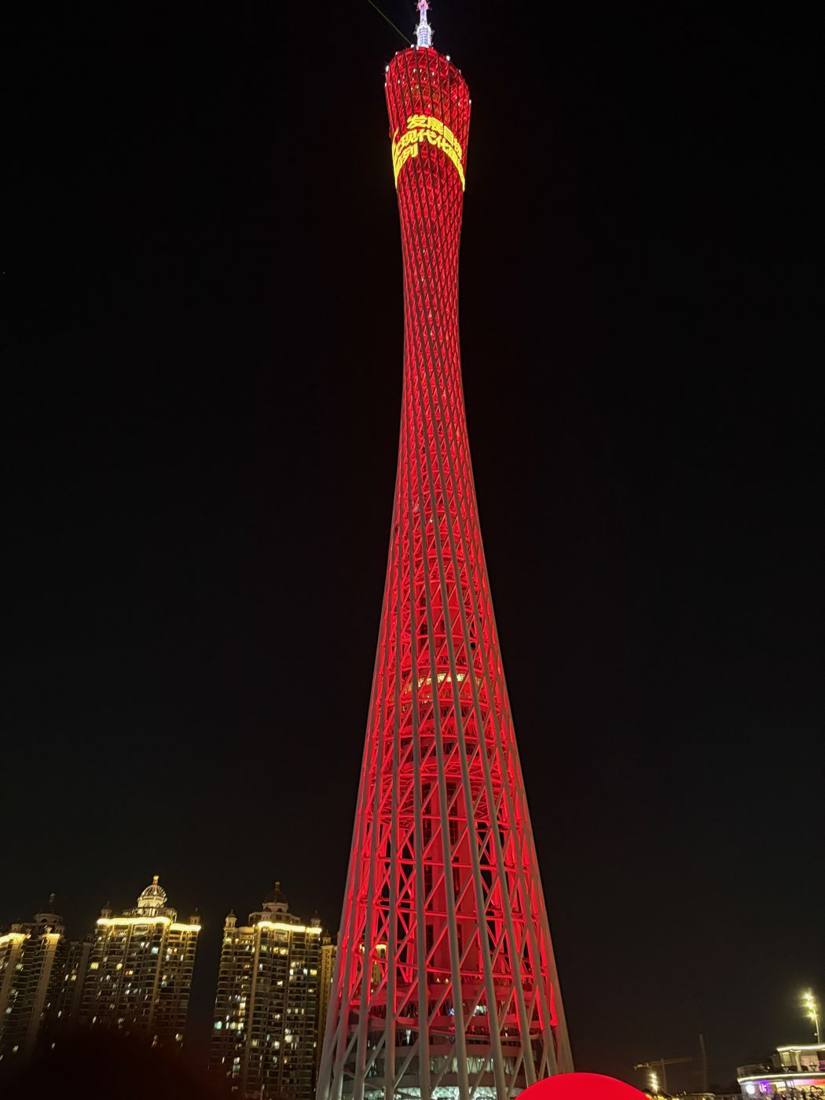
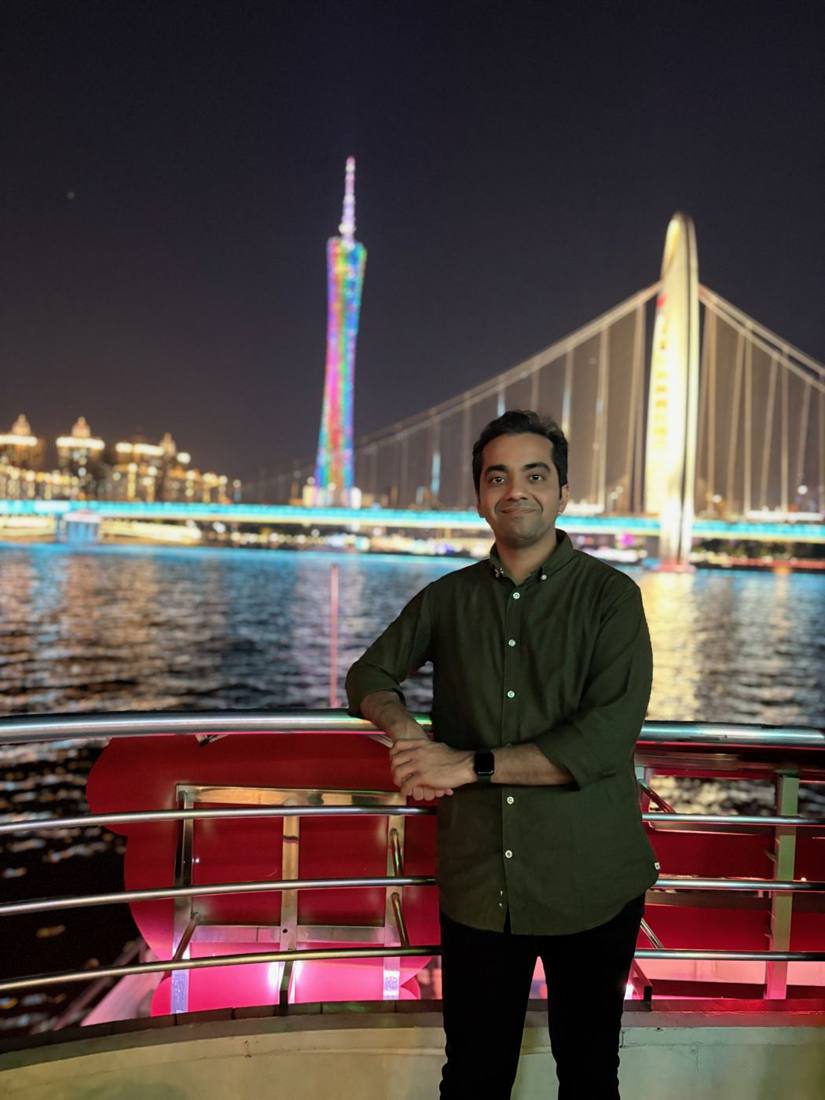
Afterwards I went to Buynow, an electronics mall on Tianhe Road, and picked up power banks and cables at the UGREEN counter. Then Rock Square, where every restaurant had a queue because it was Saturday. The day ended on a Pearl River night cruise, under the bridges, with Canton Tower lit up.
Snippets from a friend who spent six weeks in China
While I was there I spoke to a friend who'd spent about six weeks travelling around China. A few things he told me:
The police can find anyone very fast. It's not just talk: a BBC reporter tested it in 2017 and was picked up in about seven minutes.
He went in unwell. Blood work, results and a doctor's consult, all done in about half an hour.
Co-working for hardware people. The tools and machines are there; you just walk in and build.
Whole businesses for children, down to barber shops just for kids, and they do well.
That also helped with a question I kept asking in the markets: with so many shops selling the same things, how does anyone make money? Part of the answer seems to be very cheap rent.
Strangers who went out of their way
The front desk staff at both my hotels were great. My SIM and location wouldn't let me log in to JD.com, China's version of Amazon, so the staff ordered what I wanted on their own app and I paid them back. They followed up on the deliveries and even got some delivered early.
Food, as a vegetarian
Everyone asks about the food. Honestly, it was the hardest part. There are vegetarian options, and a couple of Indian places near my hotel saved me. But out and about, they were hard to find. Hardly anyone spoke English, so every meal meant explaining "vegetarian" from scratch and then asking what it was cooked in, because lard is common.
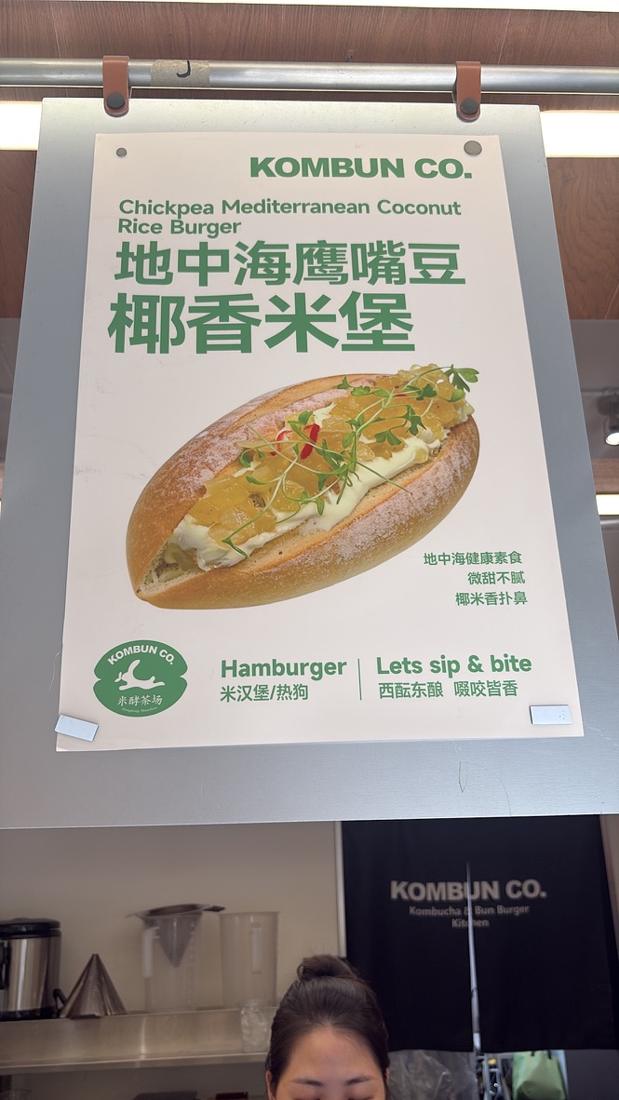
Once I walked around for ages and stumbled on a Subway that didn't even show up on the map. WeChat would have made ordering easier, but the restaurant mini-apps weren't in English. Best find: a sweet-ish chickpea and coconut rice burger. And on day one at the fair I learned there's a huge food court right under the halls.
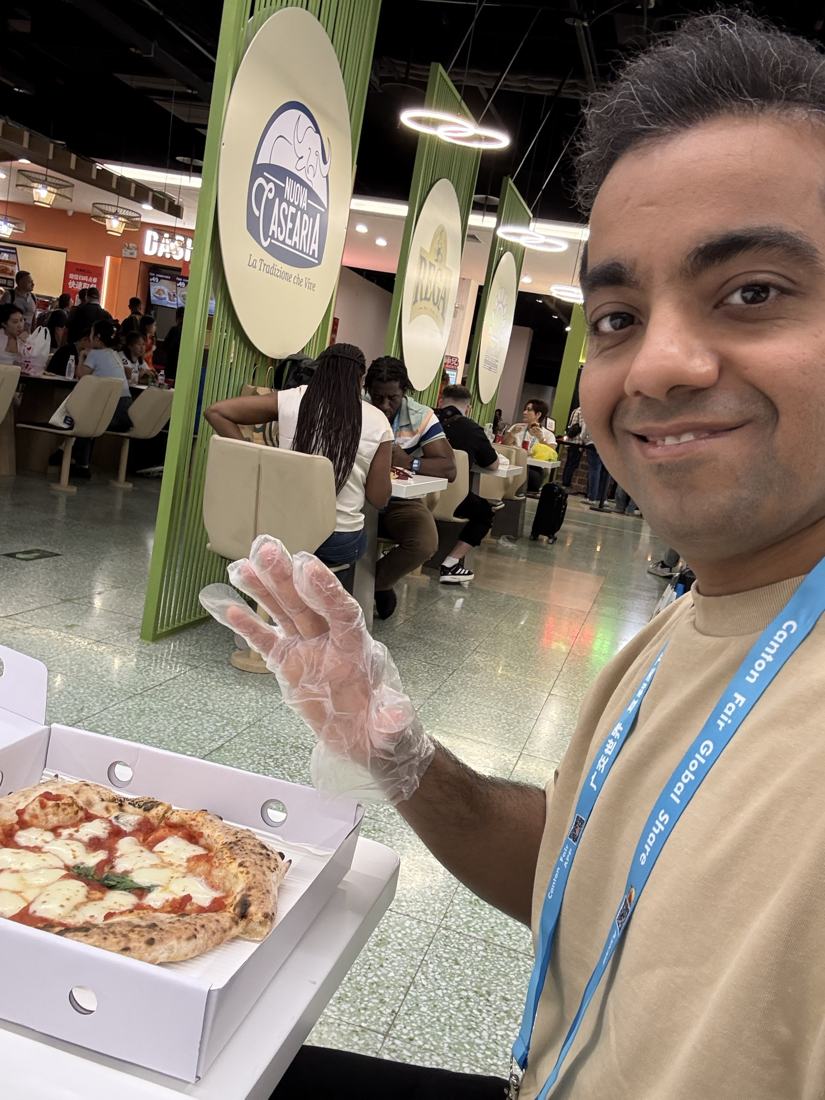
One thing you notice: finger food comes with plastic gloves, everywhere.
What I'd tell a friend
Install Alipay and WeChat, link your card and finish the passport check before you fly. Cash is a backup you probably won't touch.
Cheap, and Google, WhatsApp and Gmail just work, no VPN needed.
Amap Global for directions, Didi for cabs. Both work in English and pickups are spot on.
Carry a card in Chinese that says no meat, fish, broth or lard. Find a couple of safe restaurants near your hotel on day one.
Pick your halls on the map before you go in. Lunch is in the big food court under the halls, so don't go hunting outside like I did.
Use JD.com and have it delivered to your hotel. If the app won't let you in, ask the front desk; mine ordered for me.
Electric scooters are silent. Check over your shoulder before you turn.
The haul
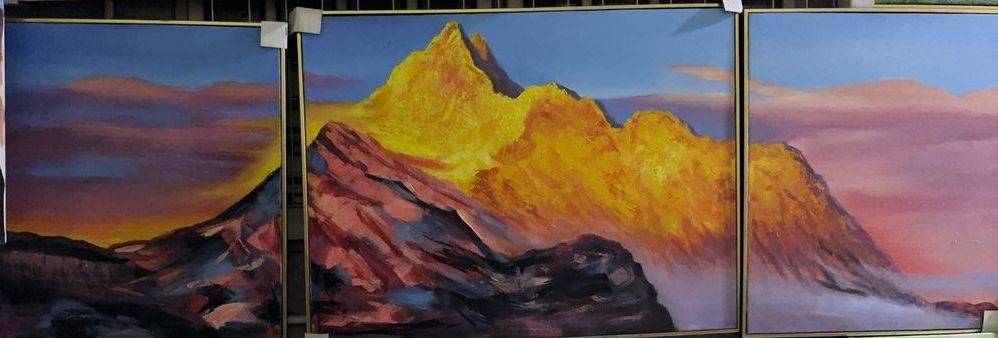
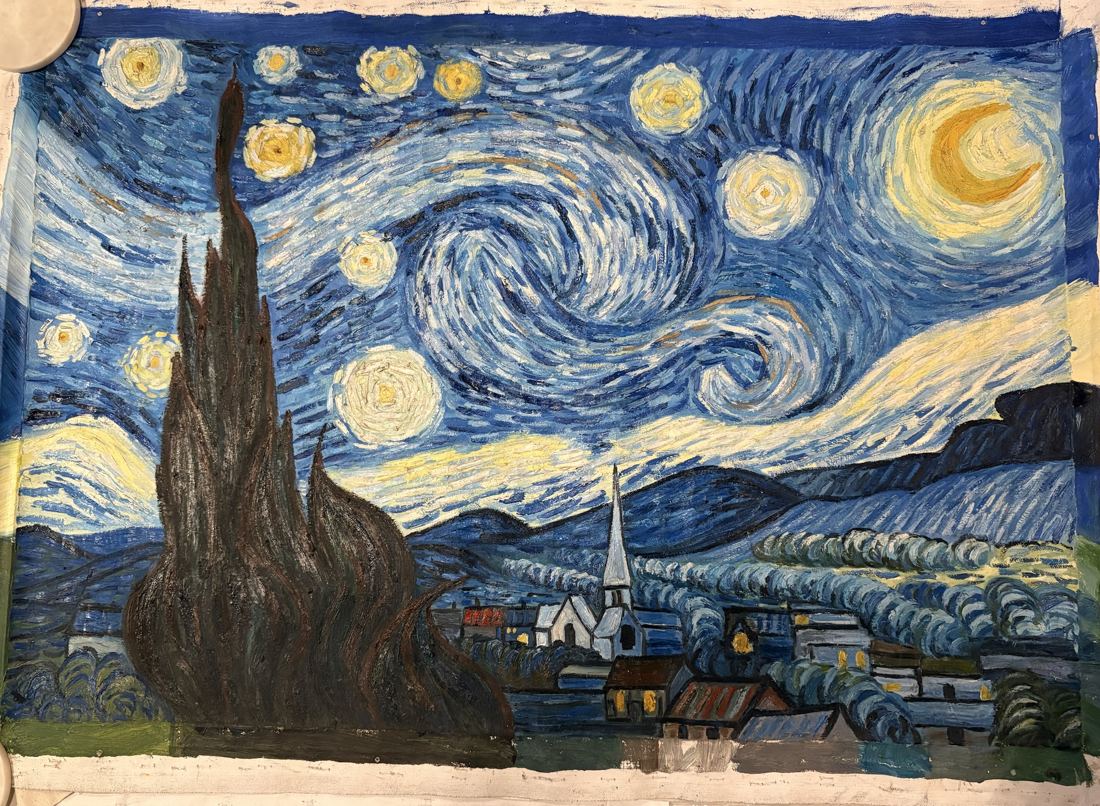
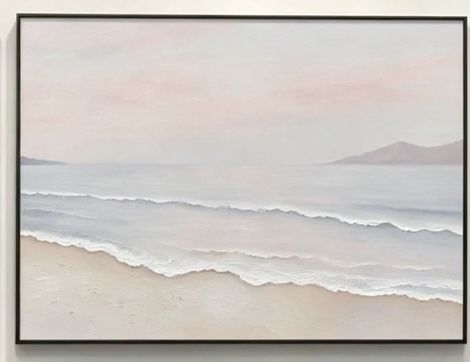
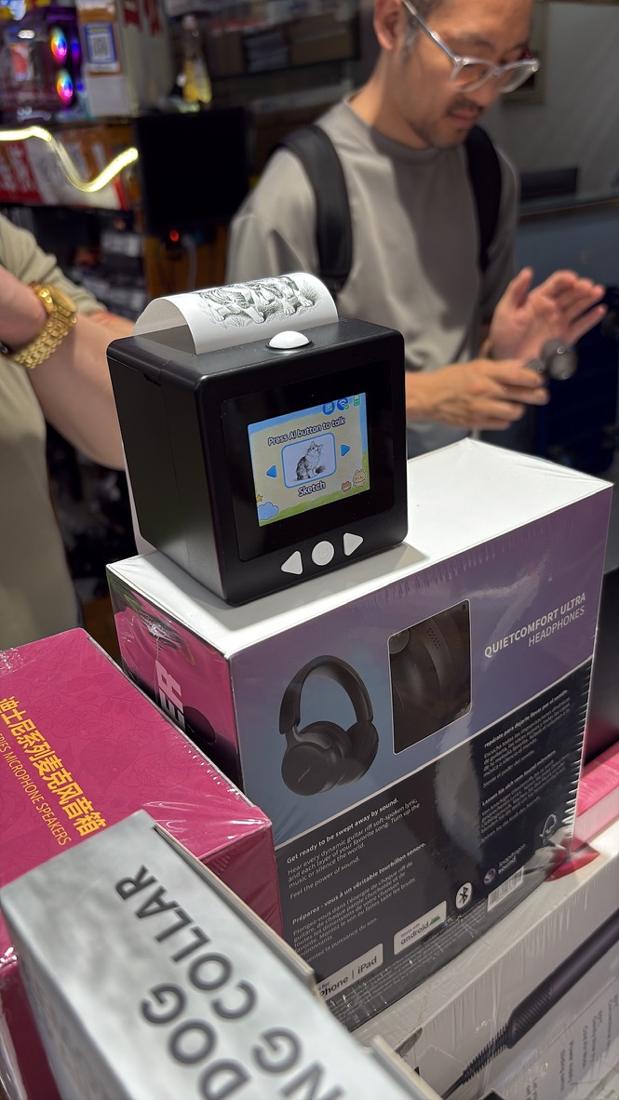
A mountain triptych, a seascape painted from my photo, and a copy of Starry Night. Five canvases, about $130.
For my daughter, to spark her creativity. The main buy of the trip.
For home projects with a Raspberry Pi.
Cheaper than back home, and handy for travel.
Cheap AirTag alternatives that work with the iPhone Find My app.
From the official counter, so the real thing.
Chargers, cables, a 3-in-1 charger, magnetic holders, UV and COB lights, star lights and phone pouches.
A few hours in Hong Kong
Seven hours between flights, four of them in the city. Train to Central, a wander through a mall, the ferry across to Kowloon, then the Avenue of Stars with its Bruce Lee statue and the skyline on both sides. On the way I found an Indian restaurant and had chhole bhature with a Diet Coke. Then back to the airport and home.
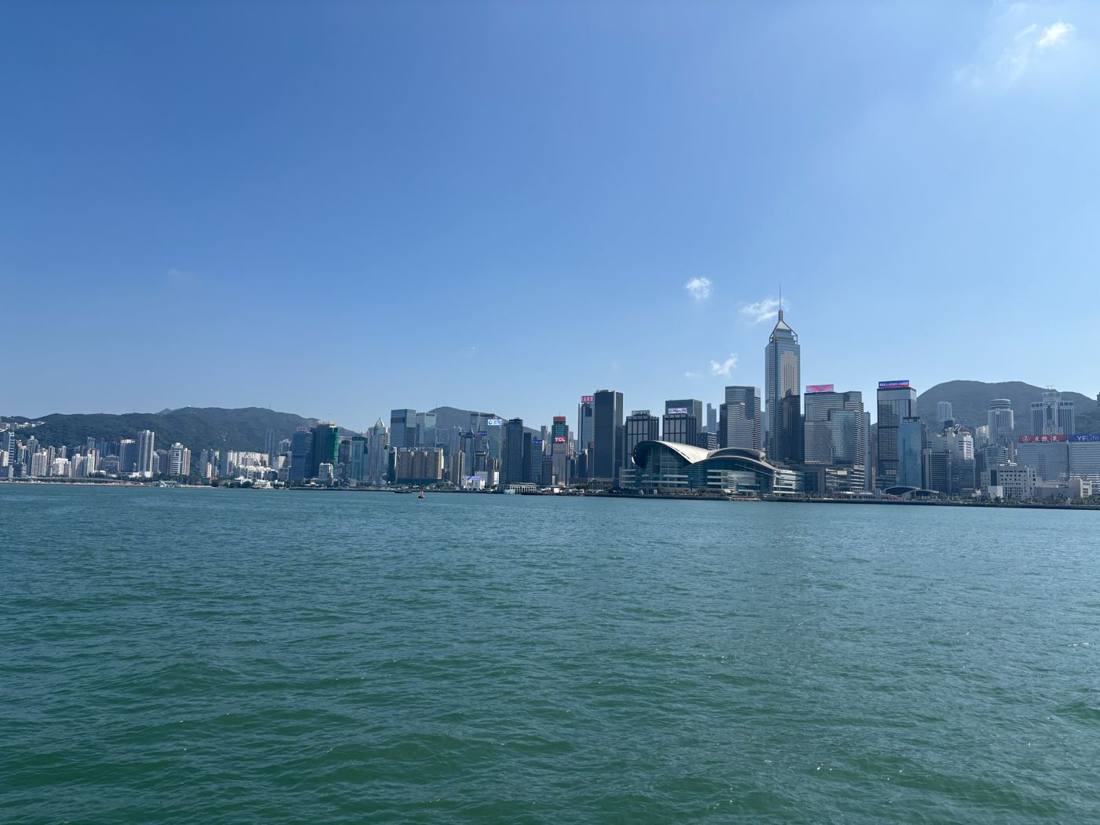
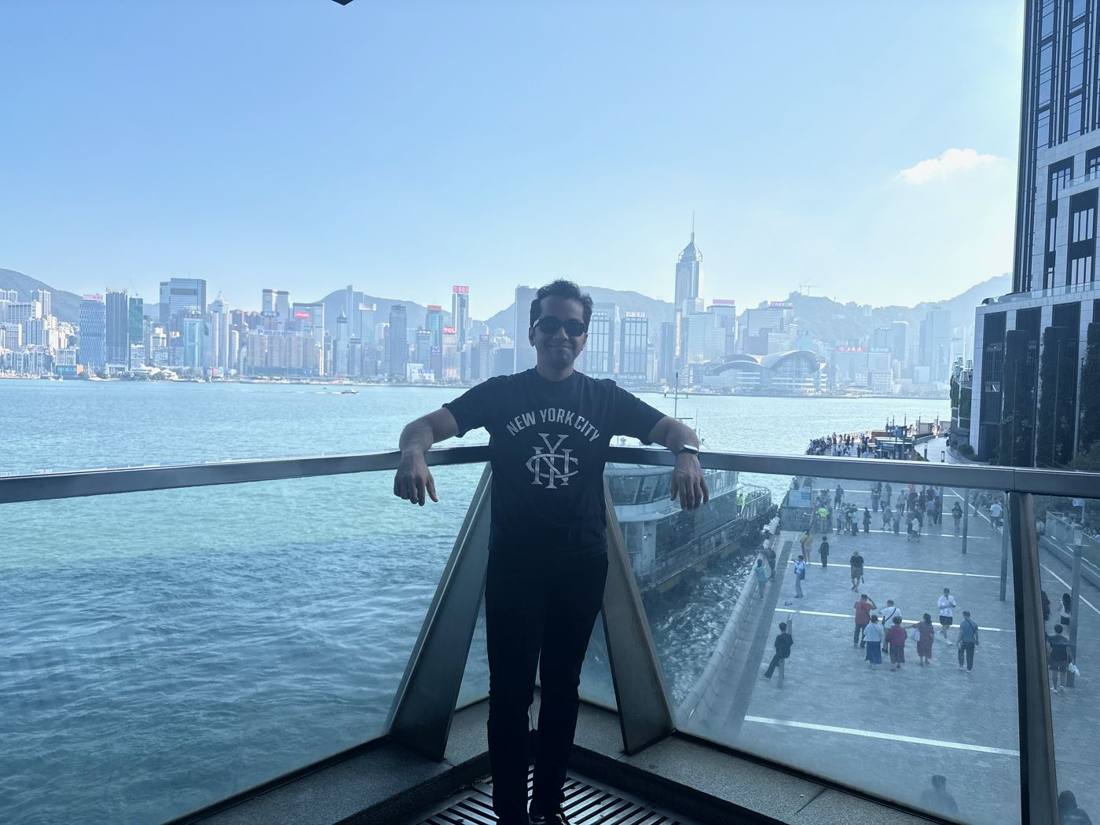
The speed
Payments, maps, trains, factories, the fair. Everything moves fast, and at a scale that's hard to picture until you're standing in it. It was one short trip through two big cities, so it's not a verdict on the whole country. But it changed how I look at the stuff we buy.
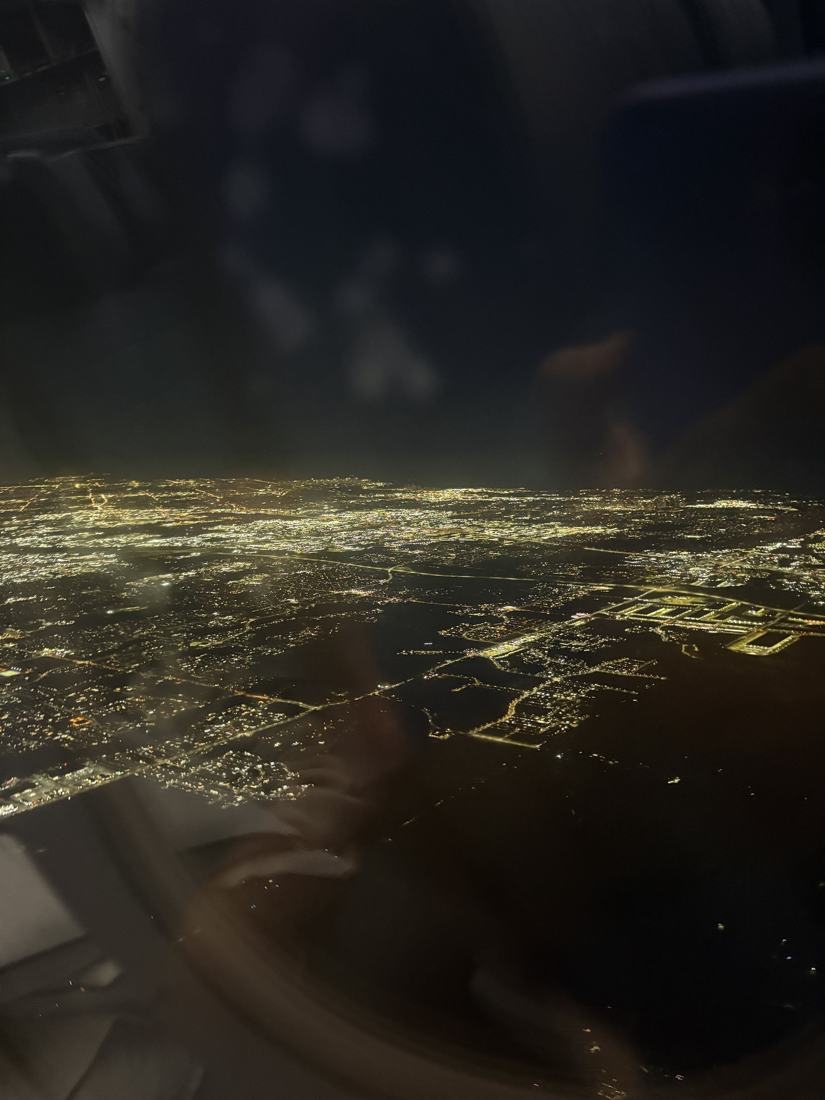
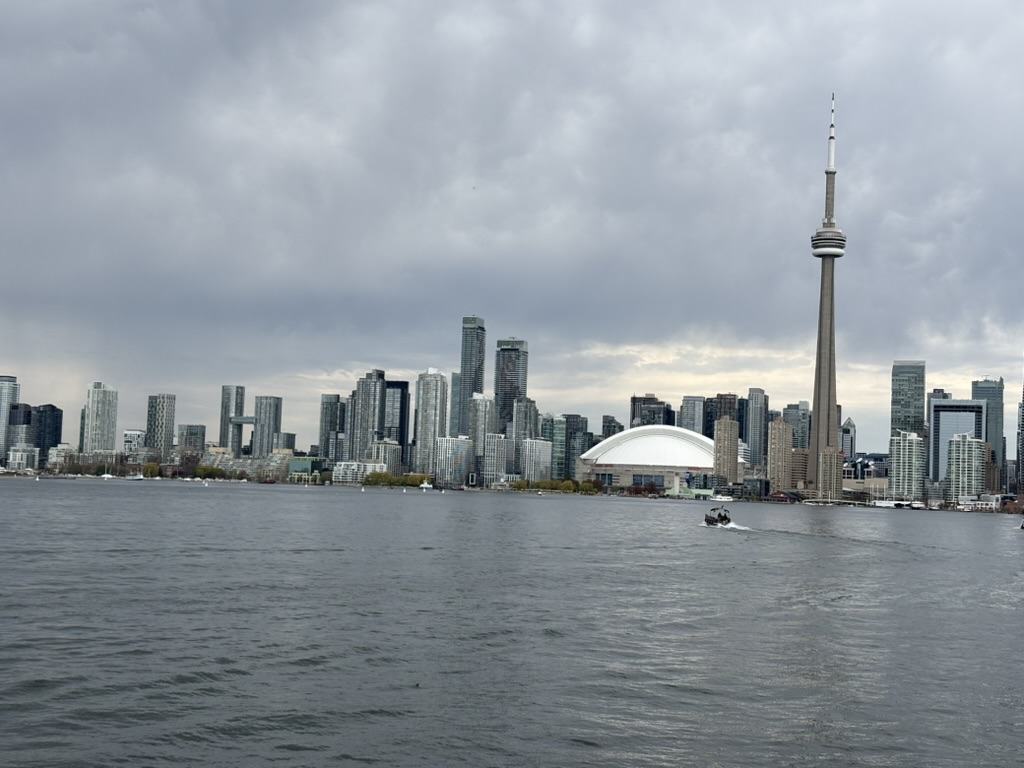
China was fast, huge and fascinating. But landing in Toronto, with my wife and daughter waiting, I was glad to be home. Happy to talk about any of it over coffee, ideally one made by a human.